

Best Craft Coffee Alternatives 2026: 9 Drinks to Try
Table of Contents
- Why Craft Coffee Alternatives Are Booming in 2026
- Quick Comparison: Caffeine, Taste, and Price at a Glance
- Adaptogenic Coffee Blends: What They Are and Who They're For
- Chicory Root Coffee Alternatives: The Closest Thing to Coffee
-
Top 9 Craft Coffee Alternatives for 2026
- Matcha: For Sustained, Jitter-Free Focus
- Hojicha: Low-Caffeine, Toasty Comfort
- Masala Chai: Bold, Spicy, and Energizing
- Jasmine: Floral and Smooth Green Tea
- Moroccan Mint: Refreshing Hot or Iced
- English Breakfast: Strong and Familiar
- Apple Cider Rooibos: Caffeine-Free and Spiced
- Peach Paradise: Fruity and Sweet Herbal Blend
- Hibiscus Berry Tea: Tart and Refreshing
- How to Transition from Coffee to Alternatives Without Withdrawal
- The Health Angle: Gut Health, Antioxidants, and What to Watch For
- Conclusion: Finding Your Perfect Craft Coffee Alternative
- Frequently Asked Questions
Last Updated: September 29, 2026
Why Craft Coffee Alternatives Are Booming in 2026
The best craft coffee alternatives in 2026 are not a compromise but a deliberate upgrade for anyone who wants sustained energy without the jitters or the 3pm crash. This guide from Artisan Bean covers nine drinks, from adaptogenic blends to caffeine-free herbal infusions.
The shift is real. Home baristas are discovering that caffeine-free options like chicory root and rooibos deliver the ritual they crave without the side effects, while functional beverages built around adaptogens such as ashwagandha and maca move from niche wellness shops into mainstream kitchens. Mintel's global food and drink trends tracks this move toward functional ingredients, and it shows no sign of slowing.
Most guides get this wrong: coffee alternatives are not a downgrade. A well-made matcha or spiced masala chai delivers clean energy, sustained focus, and a flavor profile that rivals a single-origin pour-over.

The Shift from Caffeine Fix to Mindful Ritual
Coffee alternatives are drinks that replace or supplement coffee, using tea, herbs, roots, or adaptogens to deliver energy, comfort, or calm without the same caffeine load, matcha, hojicha, chicory root, and caffeine-free herbal infusions.
The motivation has changed.
Quick Comparison: Caffeine, Taste, and Price at a Glance
The table below summarizes all nine picks by caffeine level, flavor profile, and price.
| Drink | Caffeine Level | Flavor Profile | Price |
|---|---|---|---|
| Matcha | Moderate | Grassy, umami, lingering | $21.99 |
| Hojicha | Low | Toasted cereal, umami | $19.99 |
| Masala Chai | Moderate | Bold, spicy, aromatic | $19.99 |
| Jasmine | Moderate | Floral, sweet, silky | $19.99 |
| Moroccan Mint | Moderate | Smooth green tea, fresh mint | $19.99 |
| English Breakfast | Moderate | Strong, rustic, sweet | $19.99 |
| Apple Cider Rooibos | Caffeine-free | Spiced, sweet, warm | $19.99 |
| Peach Paradise | Caffeine-free | Fruity, smooth, aromatic | $19.99 |
| Hibiscus Berry Tea | Caffeine-free | Tart, sweet, full-bodied | $19.99 |
Adaptogenic Coffee Blends: What They Are and Who They're For
Adaptogenic coffee blends combine coffee or a coffee substitute with adaptogenic herbs, roots, or amino acids to smooth out the caffeine curve, best for people who want energy without the sharp spike and crash.

Key Ingredients: Ashwagandha, Maca, and L-Theanine
Three ingredients show up again and again in adaptogenic blends, each doing something different.
- Ashwagandha: A root used in Ayurvedic tradition. Many people take it to support cortisol regulation and a calmer response to stress.
- Maca powder: A Peruvian root with a malty, earthy taste. It is often added for energy and stamina.
- L-Theanine: An amino acid found naturally in green tea. It is associated with calm alertness and is the reason matcha feels different from coffee.
Chicory Root Coffee Alternatives: The Closest Thing to Coffee
Chicory root coffee alternatives are roasted, ground chicory root brewed like coffee. They are the closest thing to coffee in taste, with a dark, bitter, slightly nutty profile and zero caffeine.
Top 9 Craft Coffee Alternatives for 2026
Every pick below is a real Artisan Bean product, priced and described as listed. Each earns its place for a different reason, so the right choice depends on what you want from your cup.
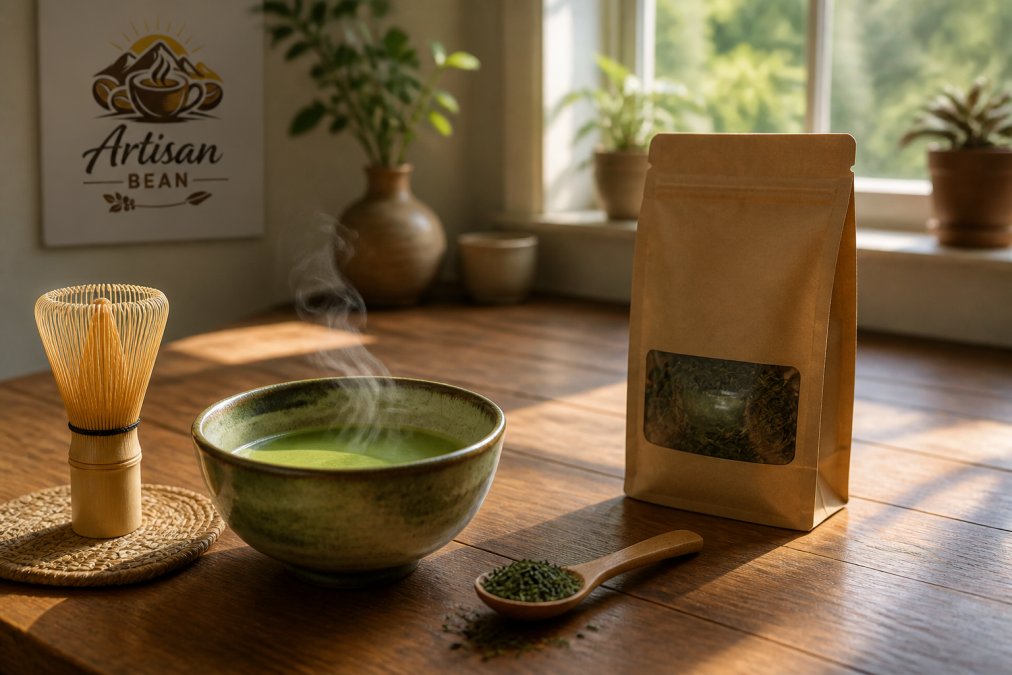
Matcha: For Sustained, Jitter-Free Focus
Matcha is the top pick for anyone who wants clean energy and sustained focus. It is refined and lingering, crafted for traditional preparation and mindful daily rituals, and costs $21.99.
Hojicha: Low-Caffeine, Toasty Comfort
Hojicha is the pick for evenings and late afternoons. This roasted green tea powder is stone-milled from carefully selected leaves and stems, and brews into a smooth cup with comforting notes of toasted cereal and balanced umami. It costs $19.99.
Masala Chai: Bold, Spicy, and Energizing
Masala Chai delivers the bold, spicy character of Indian chai: full-bodied, aromatic, and intense. It costs $19.99 and works as a traditional chai with milk and sugar or as an invigorating drink on its own.
Jasmine: Floral and Smooth Green Tea
Jasmine is a fine blend of freshly plucked jasmine blossoms and green tea, medium-bodied, sweet, smooth, and silky. It costs $19.99 and is good for multiple steepings.
Moroccan Mint: Refreshing Hot or Iced
Moroccan Mint pairs old green tea with fresh mint for a smooth, vibrant blend that is refreshing hot and next-level iced. It costs $19.99.
English Breakfast: Strong and Familiar
English Breakfast is breakfast tea as it should be: not too complicated, but strong enough to stand up to milk and sugar. It costs $19.99 and is a blend of African and Indian tea.
Apple Cider Rooibos: Caffeine-Free and Spiced
Apple Cider Rooibos is a spicy, sweet, naturally caffeine-free herbal blend. It costs $19.99 and combines rooibos, a red bush tea grown in South Africa, with cinnamon, orange peel, and natural spices.
Peach Paradise: Fruity and Sweet Herbal Blend
Peach Paradise is a fruity, smooth, aromatic, and sweet herbal blend. It costs $19.99. Fruity peach, sour cranberry, and smooth notes of rose create a cup that works hot or cold.
Hibiscus Berry Tea: Tart and Refreshing
Hibiscus Berry Tea is a flavored herbal blend of organic hibiscus flowers, rosehips, orange peel, rooibos, and blueberry, passionfruit, and mango flavors. It costs $19.99.
How to Transition from Coffee to Alternatives Without Withdrawal
Transitioning from coffee to alternatives is easiest when you taper rather than quit. Cut your caffeine load gradually over one to two weeks to avoid withdrawal symptoms like headaches and fatigue.
Here is a simple plan that works:
- Week one: Swap your afternoon coffee for a low-caffeine option like hojicha or a caffeine-free herbal blend.
- Week two: Replace your second morning cup with matcha or masala chai.
- Week three: Try one full caffeine-free morning, using chicory root or rooibos.
- Week four: Keep whichever swaps felt sustainable and drop the rest.
The Health Angle: Gut Health, Antioxidants, and What to Watch For
Coffee alternatives offer genuine health benefits, but they are not risk-free for everyone. Tea and herbal infusions bring antioxidant properties, and many are plant-based and naturally caffeine-free. Rooibos and chicory root are both associated with gut health support.

Contraindications and Medication Interactions
Herbal infusions are not automatically safe for everyone. Some ingredients interact with medications, and a few are not recommended during pregnancy.
- Hibiscus: May interact with blood pressure medications and diuretics. Talk to a clinician if you take either.
- Rooibos: Generally well tolerated, but check with a clinician if you take medication for liver conditions.
- Ashwagandha: Not recommended during pregnancy. May interact with thyroid and sedative medications.
- Chicory root: High in fiber, so introduce it slowly if you have a sensitive gut.
Conclusion: Finding Your Perfect Craft Coffee Alternative
The hardest part is not finding a coffee alternative. It is finding the one that fits your routine, your taste, and your caffeine needs without feeling like a compromise.
Frequently Asked Questions
What are the best coffee alternatives that still taste like coffee?
Chicory root coffee alternatives come closest to the rich, roasted flavor of coffee because chicory root is roasted and ground similarly. It provides a deep, slightly bitter taste with no caffeine. For a more complex option, adaptogenic coffee blends combine herbs like ashwagandha and maca with roasted grains or roots to mimic coffee's body while adding functional benefits. If you want a tea-based alternative, hojicha offers a toasted, earthy profile that many coffee drinkers find satisfying.
Are there craft coffee alternatives that provide a non-jittery energy boost?
Yes. Matcha is a standout because it contains L-theanine, an amino acid that promotes calm alertness and slows caffeine absorption. This results in a sustained energy boost without the spikes and crashes of coffee. Adaptogenic coffee blends with ashwagandha or maca also support steady energy by helping regulate cortisol. These options are popular among those sensitive to jitteriness or looking for clean energy.
How do craft coffee alternatives compare to traditional micro-batch roasts?
Craft coffee alternatives focus on artisanal production methods, much like micro-batch roasts. While traditional micro-batch roasts highlight single-origin beans and roast profiles, alternatives like chicory root or adaptogenic blends emphasize functional ingredients and unique flavor complexity. However, alternatives often cater to specific needs such as caffeine reduction, gut health support, or adaptogenic benefits, whereas micro-batch roasts are purely coffee.
Can you find high-quality coffee alternatives that support gut health?
Yes, certain coffee alternatives can support gut health. Chicory root is rich in inulin, a prebiotic fiber that feeds beneficial gut bacteria. Herbal infusions like rooibos and hibiscus are naturally caffeine-free and contain antioxidants that may reduce inflammation. Adaptogenic blends with ingredients like ashwagandha may also help manage stress, which indirectly supports digestive health. Always introduce new fibers gradually to avoid discomfort.
What should I know about transitioning from coffee to alternatives?
Transitioning gradually helps minimize withdrawal symptoms like headaches and fatigue. Start by replacing one cup of coffee per day with an alternative, then increase over a week or two. Choose alternatives with some caffeine, like matcha or chai, to ease the shift. Stay hydrated and consider adding adaptogens to support energy and mood. Many people find that a morning ritual with a new brew becomes a enjoyable habit within a few weeks.