

Best Roast-to-Order Coffee Alternatives
Table of Contents
- What Makes Roast-to-Order Coffee Different
- Fresh Roasted Coffee Subscription: How It Works
- Roast-to-Order Coffee for Different Brewing Methods
- How to Store Fresh Roasted Coffee Beans
- Best Coffee Subscription for Home Baristas
- Why Roast-to-Order Beats Mass-Produced Coffee
- Specialty Coffee and the Direct-to-Consumer Advantage
- Beyond Coffee: Tea Alternatives for Ritual Seekers
- Frequently Asked Questions
Last Updated: October 7, 2026
What Makes Roast-to-Order Coffee Different
Grocery-store coffee smells faint because it's stale, unlike roast to order coffee that arrives fresh. Most commercial coffee sits in warehouses or on shelves for weeks or months before reaching your kitchen, by which point the roaster's vibrant complexity has faded. Roast-to-order coffee eliminates that problem.
The difference comes down to freshness. Beans roasted fresh and shipped directly to your door retain their full flavor profile, aroma, and complexity; grocery-store alternatives have already lost their peak character. That's the core reason specialty coffee subscriptions have become the preferred choice for people who take their daily ritual seriously.
Fresh Roasted Coffee Subscription: How It Works
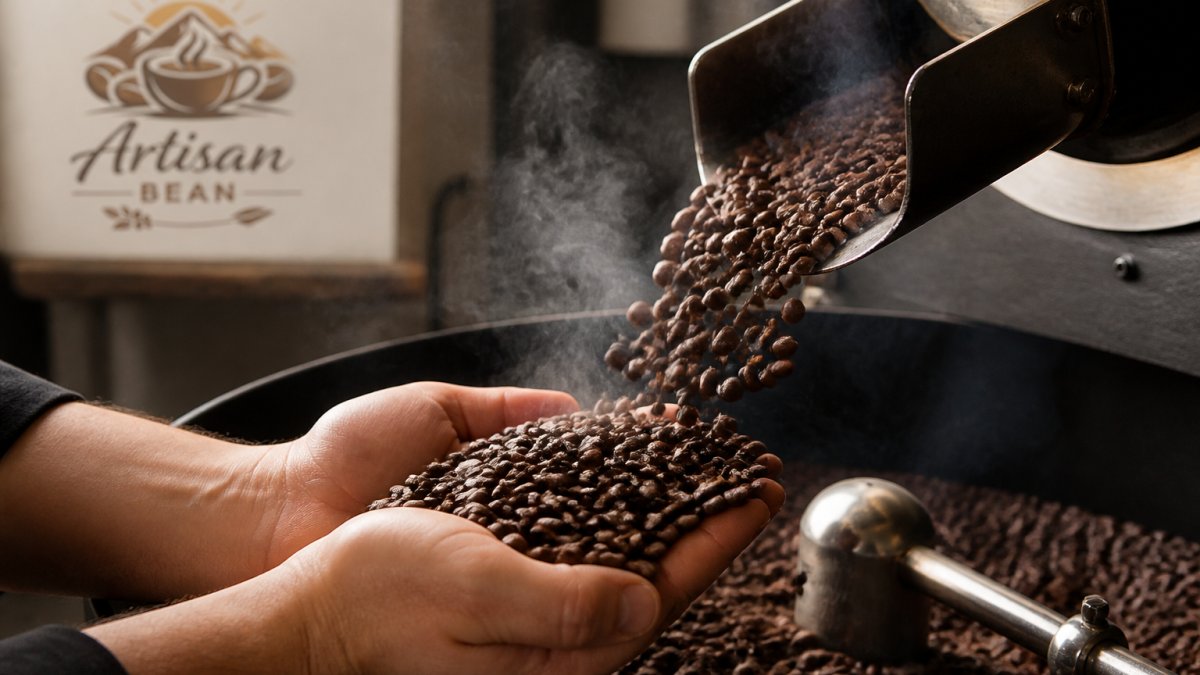
A fresh roasted coffee subscription delivers freshly roasted beans on a schedule that matches your consumption. You choose roast profiles, single-origin or blended beans, and delivery frequency (weekly, bi-weekly, or monthly). The roastery roasts your order after you place it and ships within days, ensuring maximum freshness.
The process is straightforward: choose your preferences once and the roastery handles the rest. Most services let you skip months, adjust frequency, or swap beans without penalty. Roast-to-order services prioritize flexibility, you're paying for convenience and freshness, not a contract.
Understanding Roast Profiles and Flavor Notes
Roast profiles determine final flavor. Light roasts preserve origin characteristics: bright acidity, floral or fruity notes, complexity. Medium roasts balance origin flavor with roasting notes for a fuller body and clarity.
Your choice depends on brewing method and taste. Pour-over enthusiasts often prefer light to medium roasts, which highlight subtle flavors. Espresso drinkers frequently choose medium to dark roasts for body and crema.
Understanding roast profiles helps you match beans to your equipment and palate. A light roast single-origin bean tastes completely different from a dark roast blend of the same origin, the roast profile matters as much as origin when predicting how coffee will taste.
The Science of Degassing and Freshness
After roasting, beans release carbon dioxide through degassing, a sign of freshness, not a flaw. Beans actively degas for the first 24-72 hours, and coffee that has finished degassing, typically after 2-3 weeks, is past its prime.
Degassing affects brewing. Actively degassing beans can produce uneven extraction because CO2 interferes with water contact, while fully degassed beans taste flat from lost volatile compounds. The sweet spot for most methods is 3-10 days post-roast, when degassing has mostly finished but vibrancy remains.
That's why roast-to-order coffee beats mass-produced alternatives: beans arriving within days of roasting let you brew during the optimal flavor window, while grocery-store coffee passed that window weeks before you opened the bag.
Roast-to-Order Coffee for Different Brewing Methods
Different brewing methods extract coffee differently, so ideal bean characteristics vary. Knowing your equipment helps you choose the right roast-to-order subscription.
Single-Origin vs. Blended Beans
Single-origin coffee comes from one farm, region, or country, showcasing terroir. An Ethiopian single-origin tastes distinctly different from a Colombian one because of altitude, climate, soil, and processing. Choose single-origin to explore how geography shapes flavor.
Blends combine beans from different origins for a balanced, consistent profile, engineered for reliable flavor and body across brewing methods. A well-designed blend might pair a bright African bean for acidity with a heavier South American bean for body, and blends are more forgiving because their profile is stable across variables.
For serious home baristas, single-origin beans offer more complexity and learning opportunity. For consistency and simplicity, blends deliver better results with less experimentation.
Bean Density and Extraction
Bean density affects how water moves through the grounds. High-density beans (high-altitude origins) need more contact time and finer grinding; low-density beans (lower-altitude origins) extract faster and risk over-extraction if ground too fine or brewed too long.
Sour or weak coffee is usually under-extracted; bitter or flat coffee is usually over-extracted. Adjusting grind size and brew time fixes both.
How to Store Fresh Roasted Coffee Beans
Proper storage preserves the freshness you paid for. Coffee degrades through oxygen, light, heat, and moisture, so your storage method directly affects how long beans stay vibrant.
Shelf Life and Optimal Storage Conditions
Fresh roasted coffee stays at peak quality for 2-4 weeks after roasting, then gradually loses aroma and flavor complexity. It doesn't become undrinkable, just less vibrant.
Store beans in an airtight container away from sunlight, heat, and moisture, a cool, dark cupboard is ideal. Avoid the refrigerator or freezer unless keeping beans for months, since condensation damages them more than time does. For long-term freezing, use an airtight, moisture-proof container and let beans reach room temperature before opening.
Whole beans stay fresher longer than pre-ground. Grinding dramatically increases surface area, accelerating oxidation and flavor loss, so grind only what you'll use within a few days.
Grind Size and Aroma Preservation
Grinding releases aromatic compounds immediately, which is why freshly ground coffee smells so much better than pre-ground. The downside: grinding exposes more surface area to oxygen, degrading flavor from the moment you grind.
Grind size affects extraction and aroma preservation. Finer grinds extract faster but lose aroma compounds quickly; coarser grinds preserve aroma longer but extract more slowly. For maximum aroma and flavor, grind immediately before brewing.
If you must grind ahead, use a coarser grind and store grounds in an airtight container, though expect noticeable aroma and flavor loss.
Best Coffee Subscription for Home Baristas
Choosing roast to order coffee means evaluating roast quality, sourcing, flexibility, and shipping speed. The best service matches your brewing method, flavor preferences, and consumption rate.
Sourcing, Fair Trade, and Sustainability
Ethically-minded drinkers prioritize sourcing and fair farmer compensation. Many roast-to-order services partner directly with sustainable farms and pay above-market prices for quality and fair labor, and direct relationships improve traceability, you can often learn exactly which farm produced your beans.
Fair trade certification is one assurance, but not all excellent roasters are certified, some small roasteries have direct farmer relationships more equitable than formal arrangements. Research the roastery's sourcing practices directly; most quality services publish details about farm partnerships and sourcing philosophy.
Sustainability extends beyond farmer compensation. Direct-to-consumer shipping reduces overall supply chain waste versus retail distribution but generates individual shipments, so choose a service that matches delivery frequency to your consumption to minimize packaging and shipping.
Delivery Frequency and Flexibility
Delivery frequency should match your consumption, a one-cup-a-day household needs less frequent deliveries than someone brewing multiple cups. Most services offer weekly, bi-weekly, or monthly options, and some let you adjust month-to-month.
Flexibility matters. You're building a ritual around fresh coffee, not locking into a commitment, and services that respect changing needs offer a better experience.
Shipping speed is also critical. Coffee should arrive within 5-7 days of roasting for optimal freshness. Services that ship within 48 hours of roasting ensure maximum freshness when the package reaches your door. Check the roast date on your first shipment, it should be recent, not weeks old.
| Subscription Factor | What Matters | Red Flags |
|---|---|---|
| Roast Date | Should be within 1-2 weeks of arrival | Roast dates older than 3 weeks |
| Sourcing Transparency | Farm names and origins clearly listed | Generic "premium blend" with no origin info |
| Delivery Frequency | Options for weekly, bi-weekly, monthly | Only monthly delivery available |
| Flexibility | Skip months, swap beans, pause anytime | Locked-in contracts, penalties for changes |
| Shipping Speed | Ships within 48 hours of roasting | Unclear shipping timeline |
Why Roast-to-Order Beats Mass-Produced Coffee
The difference between fresh roast-to-order coffee and grocery-store alternatives comes down to timing. Mass-produced coffee is roasted in large batches weeks or months before purchase. By the time it reaches your kitchen, the beans have already lost their peak character.
This isn't marketing hype, it's chemistry. Coffee's flavor compounds are volatile and degrade over time. Freshness directly correlates with flavor complexity. A side-by-side comparison between fresh roast-to-order beans and grocery-store alternatives reveals the difference immediately.
For people who drink coffee daily, the cumulative experience of better coffee matters. You're not paying for luxury, you're paying to experience what coffee actually tastes like when it's fresh. That's the entire value proposition of roast-to-order coffee.
Specialty Coffee and the Direct-to-Consumer Advantage
Direct-to-consumer roast-to-order services eliminate the retail markup and distribution delay that characterize grocery-store coffee. You pay the roastery directly, which means more of your money goes toward quality beans and roasting expertise rather than packaging and shelf space.
This model benefits everyone. Roasteries can invest in better beans and equipment because they're not paying distributor margins. Customers get fresher coffee.
Artisan Bean operates on this direct-to-consumer model. We roast in small batches, on order, & ship right after. You're never drinking coffee that's been sitting in a warehouse or on a retail shelf.
Beyond Coffee: Tea Alternatives for Ritual Seekers
If you're drawn to the roast-to-order coffee concept but prefer tea, specialty tea subscriptions offer similar benefits.
For tea drinkers seeking functional benefits alongside ritual, Artisan Bean offers Hojicha With Mushrooms, a roasted green tea blended with Lion's Mane, Cordyceps, and Reishi mushroom powders.

Other tea options include Matcha for traditional preparation and daily ritual, Chaga Spice Chai for warming, bold flavor, and Moroccan Mint for a smooth, vibrant blend that works hot or iced.

For coffee drinkers who occasionally want a caffeine-free option, Decaf Coffee With Mushrooms delivers specialty-grade decaf blended with the same mushroom powders as our full-caffeine options.

Frequently Asked Questions
What's the actual difference between roast-to-order coffee and grocery store coffee?
Grocery store coffee often sits in warehouses and on shelves for weeks or months before you buy it. Roast-to-order coffee is roasted in small batches and shipped immediately, preserving the vibrant flavor and aroma. The roast date on mass-produced bags is typically far older than the purchase date. Fresh roasted coffee retains complex flavor notes and acidity that fade during storage, making a noticeable difference in taste and smell from the first brew.
How long does fresh roasted coffee stay fresh after delivery?
Fresh roasted coffee reaches peak flavor 3-7 days after roasting, once degassing is complete. It stays fresh for 2-4 weeks in proper storage conditions, though optimal flavor window is typically the first 2-3 weeks. Whole beans last longer than pre-ground coffee because grinding increases surface area and accelerates oxidation. Store in an airtight container away from heat, light, and moisture to maximize shelf life and preserve the tasting profile.
Is roast-to-order coffee worth the extra cost compared to what I pay at the grocery store?
Most home baristas notice an immediate difference in flavor complexity, aroma intensity, and cup quality. Roast-to-order coffee typically costs more per pound, but you're paying for beans that haven't lost their volatile compounds to time and storage. If you drink coffee daily and value the ritual, the difference in taste often justifies the price. You also eliminate waste from stale beans and get exactly what the roaster intended, rather than a compromise product.
What should I look for when choosing a fresh roasted coffee subscription?
Consider roast profile options (light, medium, dark), sourcing transparency, and fair trade or organic certification if that matters to you. Check delivery frequency flexibility. Look for single-origin options if you want to explore specific flavor notes and origins. Verify the roast date is recent and shipping happens quickly after roasting. A good subscription matches your brewing method and gives you control over customization.
How does roast-to-order coffee differ from standard subscription services?
Roast-to-order coffee is roasted after you place your order, not roasted weeks in advance and held in inventory. Standard subscriptions often ship pre-roasted beans that have already lost freshness. Roast-to-order ensures maximum freshness and flavor complexity because the beans haven't undergone oxidation or staleness. This direct-to-consumer model also means faster shipping and beans that are at their peak when they arrive, with optimal degassing and aroma intact.
The ritual of a great cup of coffee starts with freshness. When beans are roasted to order and shipped directly to your door, you experience coffee the way the roaster intended, vibrant, complex, and genuinely good. Artisan Bean delivers that experience by roasting premium, micro-batch beans on demand and shipping them immediately after roasting. Join our Coffee Club and taste the difference fresh roast-to-order coffee makes in your daily ritual.