

How to Choose Coffee Roast Profile: 2026 Guide
Table of Contents
- Light vs Medium vs Dark Roast Coffee: What Actually Changes
- The Coffee Roast Profile Chart: Reading Color, Time, and Temperature
- How to Choose a Coffee Roast Profile in 5 Steps
- The Best Coffee Roast for Espresso
- Choosing a Coffee Roast Profile for Pour Over
- Roast Profile Variables Beyond Light, Medium, and Dark
- Troubleshooting Roast Defects and Uneven Results
- Frequently Asked Questions
Last Updated: October 14, 2026
Light vs Medium vs Dark Roast Coffee: What Actually Changes
Learning how to choose coffee roast profile starts with one fact most guides bury: roast level does not add flavor, it transforms the flavors already inside the bean. At Artisan Bean, we roast in micro-batches to order, so we see this transformation up close every week.
Here is what actually shifts as you roast darker:
- Acidity drops steadily. Light roasts taste bright and juicy; dark roasts taste smooth and low-acid.
- Body builds. The same bean feels lighter as a light roast and heavier as a dark roast.
- Origin character fades. A Kenyan bean's blackcurrant note survives a light roast and disappears in a French roast.
The takeaway: roast level is a dial, not a ranking. Darker is not stronger coffee, just different coffee.

The Coffee Roast Profile Chart: Reading Color, Time, and Temperature
A coffee roast profile chart tracks three measurements through every roast: bean temperature, time, and color. Roasters read these together because no single number tells the whole story.
- Charge temperature: the drum heat when beans go in, typically 190-210°C for a 12 kg drum.
- Turning point: the lowest bean temperature reading, usually 1:30-2:00 into the roast.
- First crack: audible popping, roughly 196-205°C, marking light roast territory.
Color matters because it is the only measurement you can check after the roast. Agtron numbers and simple color tiles both work. A quick grind-and-smell test on day two tells you more than any label: if the aroma is flat, the development was likely rushed.
How to Choose a Coffee Roast Profile in 5 Steps
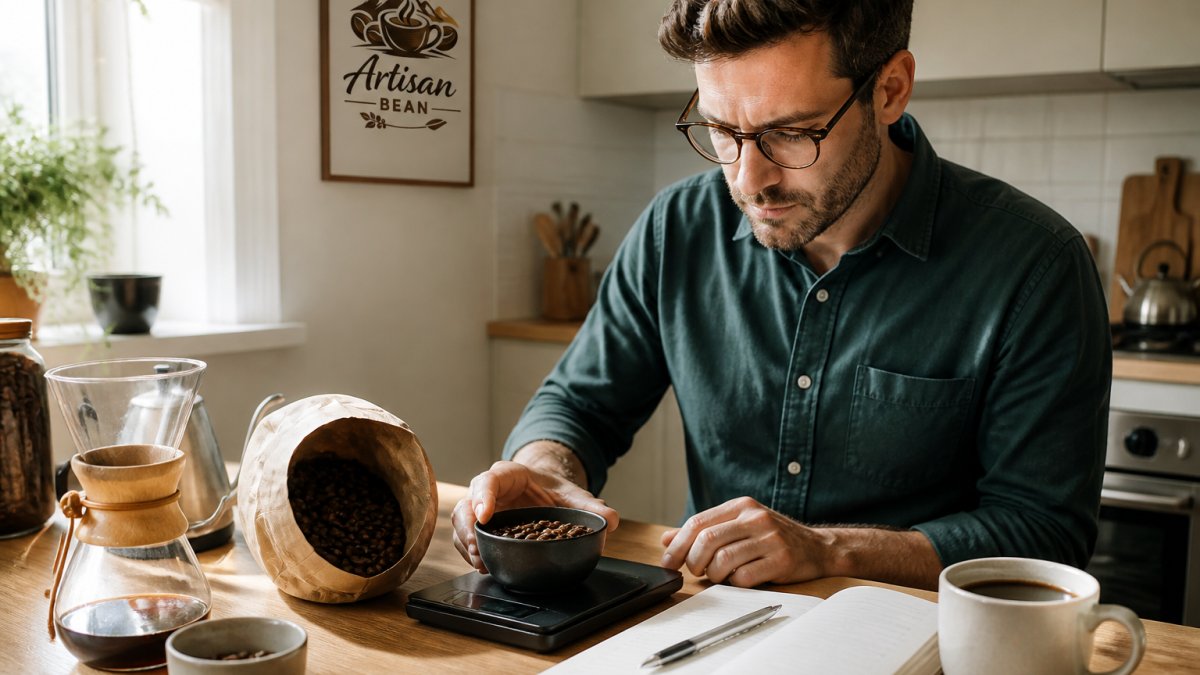
Choosing a coffee roast profile is a five-step process: start with your brew method, match the roast to bean density and origin, taste and log, adjust one variable at a time, then repeat.
Step 1: Start With Your Brew Method
Your brew method sets the ceiling on what a roast can deliver. Espresso needs development to build pressure-resistant body. Pour over rewards lighter roasts that keep acidity and delicate aromatics alive.
If you brew one method daily, pick your roast for that method first. If you brew multiple methods, choose a medium roast as a compromise and adjust the recipe per method rather than trying to find one roast that flatters all of them.

Step 2: Match the Roast to Bean Density and Origin
Dense, high-grown beans from Ethiopia or Kenya handle light roasts well because they carry enough sugar and acid to stay sweet. Softer, lower-grown beans from Brazil or Sumatra often taste better at medium or medium-dark, where body fills in what density does not provide.
Processing matters too. Natural-process beans like our Ethiopia Natural, with its milk chocolate, fruity, and caramel notes, already bring heavy sweetness, so a medium-light roast keeps that fruit forward instead of burying it.
Origin-specific trade-offs to consider before you roast:
- Ethiopia and Kenya (dense, washed): Light to medium-light. Extend development slightly past first crack to avoid grassy or vegetal notes while keeping florals and citric acidity.
- Brazil and Sumatra (softer, often natural or wet-hulled): Medium to medium-dark. These beans can taste muddy or earthy if roasted too light; a longer development builds the chocolate and nut tones they are known for.
- Colombia and Guatemala (balanced density): Medium. They tolerate a wide range, so use them to test how your roaster behaves before committing a prized lot.
Step 3: Taste, Log, and Adjust One Variable at a Time
Change one thing per roast. If you drop temperature by 5°C, keep time and development identical. Taste both batches side by side, note acidity, sweetness, body, and aftertaste, then decide.
A simple log works:
- Roast date and bean
- Drop temperature and total time
- Development time
Three or four roasts usually reveal the sweet spot for a given bean.
Step 4: Evaluate Through Cupping, Not Just Sipping
A casual sip tells you whether you like the coffee. A cupping tells you what to change. Set up a side-by-side cupping with the same dose, grind, water temperature, and steep time for each batch.
What the cup is telling you:
- Sour, sharp, or grassy: Underdeveloped. The roast ended too soon after first crack, or the rate of rise was too fast into first crack. Extend development time by 15-30 seconds and taste again.
- Flat, papery, or bready: Baked. The rate of rise stalled in the middle of the roast. Increase heat earlier and keep the curve climbing smoothly into first crack.
- Ashy, smoky, or bitter: Overdeveloped. Drop temperature went too far, or development stretched too long. Lower drop temperature by 3-5°C.
Log the cupping scores next to the roast log. After three or four iterations, patterns emerge: you will see which variable moved sweetness, which moved acidity, and which moved body.
Step 5: Repeat With One Change Per Roast
Repeatability comes from controlling variables, not from chasing a single perfect roast. Keep batch size, charge temperature, and airflow constant while you adjust one of drop temperature, development time, or rate of rise. Once you find a profile that cups well, roast it three times in a row before changing anything else. If all three cups score within one point of each other, the profile is stable enough to build on.
The Best Coffee Roast for Espresso
The best coffee roast for espresso is a medium to medium-dark roast with full development. Espresso forces water through a compact puck at high pressure, so underdeveloped beans taste sour and thin no matter how good your grinder is.
Our Blonde, a sweet blend of Central American and African coffees, is built for sweet espresso, while the French Roast suits anyone who wants a bold, bittersweet shot with low acidity.

Choosing a Coffee Roast Profile for Pour Over
For pour over, a light to medium-light coffee roast profile wins in most cases. The paper filter strips oils and body, so the cup lives or dies on acidity, aroma, and clarity, exactly what lighter roasts preserve.
Water temperature should follow the roast: hotter water, around 94-96°C, for light roasts that resist extraction, and cooler water, around 90-92°C, for medium roasts. Grind medium-fine and keep brew time near three minutes.
Roast Profile Variables Beyond Light, Medium, and Dark
Roast level is only one variable.
| Variable | What It Controls | Typical Range |
|---|---|---|
| Charge temperature | Early momentum and first-crack timing | 190-210°C |
| Rate of rise | How fast bean temperature climbs | Slowing into first crack |
| Development time | Sweetness vs. baked flavors | 20-25% of total time |
| Drop temperature | Final roast level and body | 205-225°C+ |
Charge temperature. This is the drum temperature when beans go in.
Rate of rise (RoR). This is how fast bean temperature climbs, measured in degrees per minute.
Development time. This is the stretch from first crack to drop.
Drop temperature. This is where you end the roast, and it sets the final roast level and body.
A fast roast with a long development finishes sweet and rounded.
Troubleshooting Roast Defects and Uneven Results
Most roast defects trace back to heat application, not the bean. Baked coffee, tasting flat and papery, comes from a rate of rise that stalls in the middle of the roast.
Uneven roasts usually mean batch size is too large for the drum, or the beans are moving too slowly. Drop the batch size by a quarter and watch whether consistency improves.
For a reliable baseline while you learn, our Medium Blend offers medium body and balanced acidity that forgives small roast and brew errors. For a bolder starting point, the Italian Roast, our darkest offering, shows clearly what full development tastes like.
Frequently Asked Questions
Is light or medium roast coffee better?
Neither is objectively better. Light roasts preserve more origin character, acidity, and fruity or floral notes, and they suit pour-over and other filter methods. Medium roasts balance sweetness, body, and acidity, which makes them flexible across brew methods. Your taste preference and brew method decide it. If you enjoy bright, tea-like cups, try a light roast; if you want a balanced cup with chocolate and nutty notes, a medium roast like Artisan Bean's Medium Blend is a solid starting point.
What is the 15-15-15 coffee rule?
The 15-15-15 rule is a home-brewing guideline, not a roasting standard: 15 grams of coffee, 15 times that weight in water (225 ml), brewed for about 15 minutes in a immersion brewer. It gives you a repeatable starting ratio. When you are testing a new coffee roast profile, keeping the dose, water, and time fixed lets you isolate how the roast level changes flavor, body, and acidity.
What does roasted coffee taste like?
Flavor shifts with roast level. Light roasts taste brighter and more acidic, with fruit, floral, or tea-like notes. Medium roasts bring sweetness, caramel, chocolate, and nutty notes with balanced acidity. Dark roasts taste bold and bittersweet, with smoky or dark chocolate notes and low acidity. Origin, processing method, and freshness also shape the cup, so two coffees at the same roast level can taste very different.
How many types of roasting are there?
Most roasters group roast levels into four broad categories: light, medium, medium-dark, and dark. Within those, roast profiles vary by charge temperature, turning point, rate of rise, first crack timing, development time, and drop temperature. A coffee roast profile chart shows these variables, but the four levels are the practical starting point for choosing beans.
How do I choose the right coffee roast for my taste?
Start with what you already enjoy. If you like bright, fruity cups, try a light or medium-light roast such as Artisan Bean's Ethiopia Natural. If you prefer balanced sweetness and body, a medium roast works well. If you want bold, bittersweet flavor with low acidity, go dark, like the French Roast. Buy small amounts, keep your brew method consistent, and adjust one variable at a time until the cup matches your preference.
Which roast profile works best for espresso?
Medium to medium-dark roasts are the most forgiving for espresso because they balance sweetness, body, and acidity, and they resist the bitterness that dark roasts can amplify under pressure. Lighter roasts can work for sweet espresso, and Artisan Bean's Blonde blend is roasted for that purpose. Darker roasts like Italian Roast suit drinkers who want a bold, low-acidity shot.
Does roast level affect coffee acidity and bitterness?
Yes. As roast development progresses, acidity drops and bitterness rises. Light roasts retain the most acidity and origin character. Medium roasts balance the two. Dark roasts lose most acidity and develop bittersweet, smoky notes. If you are sensitive to acidity, a medium or dark roast will likely suit you better; if you want brightness and complexity, choose a lighter roast.
Can the same coffee bean taste different with another roast profile?
Absolutely. The same green bean roasted light, medium, or dark produces distinctly different cups. A light roast may show fruit and floral notes; a medium roast may bring caramel and chocolate; a dark roast may taste smoky and bittersweet. Bean density, moisture content, origin, and processing method also influence how a profile develops, which is why roasters adjust profiles for each lot.
Roasting your own coffee is a skill built on repetition, and the variables above give you a system instead of guesswork. If dialing in a roast curve sounds like more work than ritual, Artisan Bean roasts micro-batches to order and ships immediately after roasting, so every bag arrives at the peak the roaster intended. Join Our Coffee Club and let us handle the roast profile while you focus on the pour.