

How to Explain Why Ethiopian Coffee Tastes Like Fruit
Last Updated: October 29, 2026
Quick Summary
Ethiopian coffee tastes like fruit because of native heirloom Arabica genetics combined with natural, sun-dried processing that lets the bean absorb sugars from the coffee cherry. A large share of Ethiopian coffee is dried with the cherry still intact, so the cup arrives tasting of blueberry instead of plain toast.
- Natural processing dries the whole cherry around the bean, producing heavy body and berry notes.
- Washed processing removes fruit before drying, giving brighter acidity and less fruit.
- Ethiopian coffee grows at high altitude, which slows maturation and concentrates sugars and acids.
- Light to medium-light roasting preserves the volatile compounds that carry fruit aromatics.
- Brew at 90 to 93°C with a medium-coarse grind and a ratio around 1:16.
Table of Contents
- The Genetic and Geographic Roots of Fruity Ethiopian Coffee
- Washed vs Natural Coffee Processing: How Method Shapes Fruit Flavor
- The Role of Altitude and Heirloom Varieties in Flavor Development
- The Best Roast for Ethiopian Coffee Beans to Preserve Fruit Notes
- How to Brew Ethiopian Coffee to Highlight Fruit Notes
- Beyond the Basics: Volatile Compounds, Water Chemistry, and Sensory Training
- Taste the Difference with Freshly Roasted Ethiopian Coffee
- Frequently Asked Questions
The Genetic and Geographic Roots of Fruity Ethiopian Coffee
Ethiopian coffee tastes like fruit because of two things working together: native heirloom Arabica genetics and the natural, sun-dried processing method that lets the bean absorb sugars from the coffee cherry. According to CSR Coffee's 2024 processing overview, a large share of Ethiopian coffee is dried with the cherry still intact, which is why the cup arrives at your grinder tasting of blueberry instead of plain toast.
We built Artisan Bean around beans like this, and the question comes up constantly from customers who assume someone adds flavoring. Nobody does. The fruit is already in the bean.
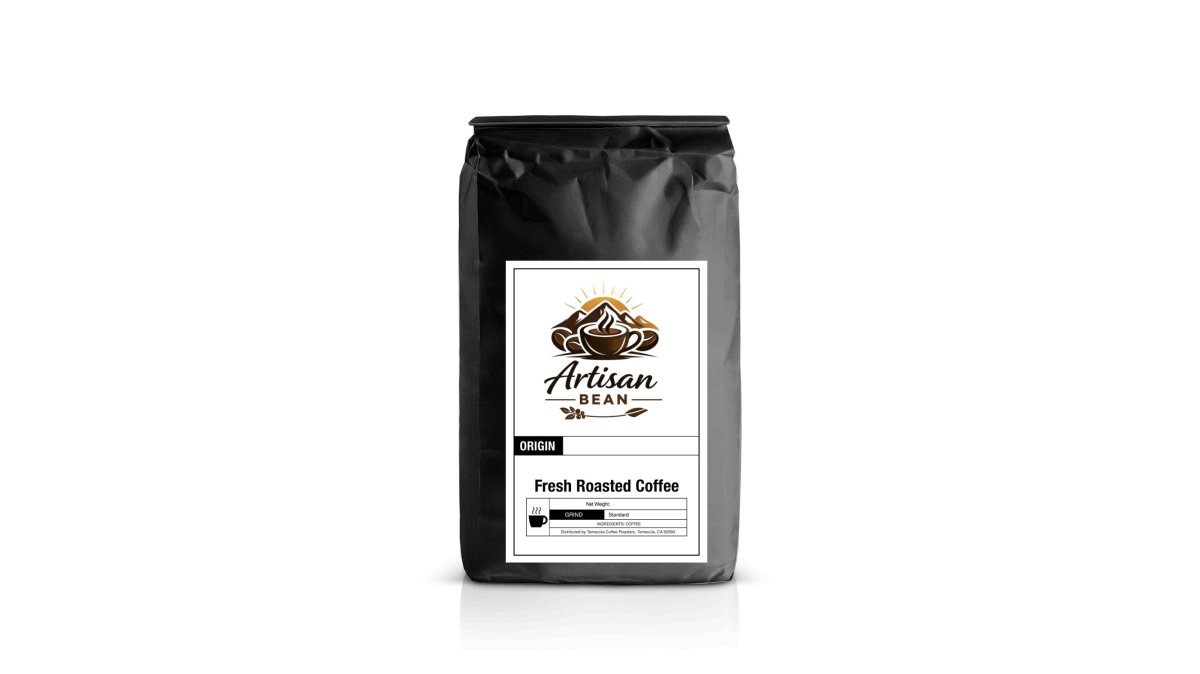
Ethiopia holds a concentration of native heirloom Arabica varieties found nowhere else, and Podium Coffee Club's 2024 origin notes credit that genetic diversity as the driver behind the country's distinctively fruity cup. Our Ethiopia Natural comes from smallholder farmers in the Sidama zone, grown at 1,700 to 1,900 metres in nitisols soil, and processed as a full natural sorted by hand and dried on raised beds.
Terroir matters here the way it does in wine. Sidama tends toward berry and stone fruit; Yirgacheffe leans floral and citrus. If you want to see how Ethiopia stacks up against other origins with similar character, our guide to the top coffee bean origins for fruit notes puts them side by side.

Washed vs Natural Coffee Processing: How Method Shapes Fruit Flavor
Processing is the single biggest lever on fruit intensity, and it is the difference most drinkers never learn. Natural processing, also called dry processing, dries the whole coffee cherry around the bean. The bean sits in contact with the mucilage and fruit sugars for weeks, absorbing them. The result is heavier body, lower perceived acidity, and unmistakable berry and stone fruit notes.
Washed processing removes the fruit before drying. Cleaner cup, brighter acidity, more floral aromatics, less fruit. Neither is better. They are different tools.
Here is how the two compare in the cup:
| Factor | Natural (Dry) | Washed |
|---|---|---|
| Fruit intensity | High, berry-forward | Low to moderate |
| Acidity | Lower, rounder | Bright, crisp |
| Body and mouthfeel | Heavy, syrupy | Lighter, tea-like |
| Aromatics | Fermented fruit, cocoa | Jasmine, bergamot, citrus |
| Best for | Fruit lovers | Floral and clarity seekers |
Watch out: natural coffees are less forgiving of a sloppy brew. The same sugars that create blueberry notes turn to a fermented, boozy taste if you over-extract. Start coarser than you think you need.
The Role of Altitude and Heirloom Varieties in Flavor Development
Altitude slows cherry maturation, and slow maturation concentrates sugars and acids in the bean. Ethiopian coffee is grown at high altitude, and altitude is a large part of why the cup can read as complex rather than flat. Cool nights and warm days push the plant to develop the compounds we later taste as bergamot, jasmine, and citrus.
Heirloom varieties do the rest. Ethiopia's indigenous cultivars are landraces, adapted over generations to specific micro-regions, and many are unnamed. A single micro-lot can contain several distinct varieties growing side by side. That genetic mix is why two bags from neighbouring washing stations can taste entirely different.
In practice, this means you should read the region on the bag, not just the country. Sidama, Yirgacheffe, Guji, and Harrar each carry their own signature.
The Best Roast for Ethiopian Coffee Beans to Preserve Fruit Notes
A light to medium-light roast is the best choice for Ethiopian beans, because darker roasting burns through the volatile compounds that carry fruit and floral aromatics. Past a certain point, roast character takes over and you are tasting the roaster's drum, not the origin.
But 'light roast' is not a single setting. The difference between a fruit-forward Ethiopian and a grassy, underdeveloped one often comes down to how the roaster manages the Maillard reaction and development time. The key is to extend development just enough to caramelize sugars and round out acidity without crossing into second crack, where roast flavors dominate.
Our Ethiopia Natural is roasted medium-light, which keeps the milk chocolate and caramel base while letting the fruit stay in front. That is deliberate. A dark roast on the same green coffee would taste like dark roast and nothing else.
A common mistake is assuming darker equals stronger. It equals more roast flavor, which is not the same thing. If you want to understand where the roast spectrum sits before you buy, our guide to coffee roast levels explains what light, medium, and dark actually do to aroma and sweetness.
How to Brew Ethiopian Coffee to Highlight Fruit Notes
Brew cooler and coarser than you would for a chocolatey South American bean. Fruit-forward Ethiopian coffee rewards restraint: water between 90 and 93°C, a medium-coarse grind for pour-over, and a ratio around 1:16. Hotter water and finer grinds push extraction into bitterness and mute the very notes you paid for.
Try this sequence:
- Rinse the filter and preheat the vessel.
- Add 15g of coffee ground medium-coarse.
- Bloom with 45g of water, wait 40 seconds.
- Pour in two stages to 240g total.
- Aim for a total brew time of 2:30 to 3:00.
Grind immediately before brewing. Pre-ground coffee loses aromatics fast, and fruit notes are the first thing to go.
One more variable people skip: resting. Beans need a few days off the roaster before they peak. Our article on when to brew coffee after roasting covers how resting, grind, and method interact for a sweeter, clearer cup.
Beyond the Basics: Volatile Compounds, Water Chemistry, and Sensory Training
The fruit you taste is chemistry you can influence. Volatile compounds, the aromatic molecules responsible for fruity notes, are created during fermentation and preserved or destroyed by roasting. Esters read as berry, aldehydes as citrus, and terpenes as floral. They are fragile, which is why stale coffee tastes like cardboard rather than blueberry.
But knowing the compound names is less useful than knowing how to manipulate them. Here is what actually moves the needle in your kitchen.
Water Chemistry: The Invisible Flavor Lever
The mineral content of your water can change how fruit acidity is perceived in the cup. Magnesium binds to the acids in coffee and enhances brightness and fruit perception, while calcium tends to round out and soften acidity. If your water is high in bicarbonate (alkalinity), it neutralizes the acids that read as citrus and berry, flattening the cup.
Filtered water is a sensible starting point, since very hard or heavily alkaline tap water can mute delicate fruit notes.
Sensory Training for Beginners: A Tasting Guide
You do not need a certified palate to taste fruit in Ethiopian coffee. You need a repeatable method. Start by smelling the dry grounds, then the wet slurry after blooming. Compare two coffees side by side, a natural Ethiopian and a washed one, and name what you notice without worrying whether you are right. Use a simple flavor wheel: start with broad categories (fruity, floral, nutty, chocolatey) and narrow down (berry vs. citrus vs. stone fruit).
A common pattern is that beginners detect fruit more easily as the coffee cools. The volatile aromatics are more pronounced at lower temperatures, and the sweetness becomes more apparent. Try tasting the same cup at 70°C, 60°C, and room temperature and note how the fruit notes shift. You will calibrate faster in a week of deliberate tasting than in a year of reading cupping notes.
The Science of Volatile Compounds
If you want to go deeper, the specific compounds behind Ethiopian fruit notes are well documented.
Taste the Difference with Freshly Roasted Ethiopian Coffee
Fruit notes are the most volatile thing in the bag, which means freshness is not a nice-to-have here. Why fresh roasted coffee tastes better explains what freshness means and how to taste the difference. It is the whole game. A natural Ethiopian three months past roast still has caffeine and body, but the blueberry has already left the building.
This is exactly why we roast in micro-batches to order and ship immediately after roasting. No warehouse shelf, no store display, no faded aroma. Our Ethiopia Natural is roasted to order and shipped right after roasting, so the fruit notes arrive in the cup as the roaster intended. If you have only ever bought Ethiopian coffee from a grocery shelf, you have not really tasted it yet.
Ethiopian coffee is one of the most rewarding things to brew at home, and it is also one of the most easily ruined by stale beans. If your last bag of natural Ethiopian tasted flat instead of fruity, the roast date was probably the problem. Artisan Bean roasts to order in small batches and ships right after roasting, so the fruit notes arrive in your kitchen as the roaster intended. Get started with Artisan Bean and taste what a fresh-roasted Sidama natural actually does in the cup.
Frequently Asked Questions
What coffee comes from Ethiopia?
Ethiopia produces a wide range of Arabica coffees, most notably from regions like Sidama, Yirgacheffe, and Harrar. These beans are often heirloom varieties, meaning they are native to Ethiopia and have not been hybridized. The country is considered the birthplace of coffee, and its beans are known for complex fruit and floral notes. Artisan Bean's Ethiopia Natural, for example, comes from smallholder farmers in the Sidama zone and features tasting notes of milk chocolate, fruity, and caramel.
What is the difference between washed and natural Ethiopian coffee?
Washed processing removes the coffee cherry before drying, resulting in a cleaner, brighter cup with pronounced acidity and floral notes. Natural processing dries the whole cherry around the bean, allowing the bean to absorb sugars and fruit flavors, which leads to a heavier body and more intense fruit notes. The choice between washed vs natural coffee processing significantly impacts the final flavor profile, with natural beans often tasting more fruit-forward.
What is the best roast for Ethiopian coffee beans to keep fruit notes?
Light to medium-light roasts are best for preserving the delicate fruit and floral notes of Ethiopian coffee. Darker roasts tend to overshadow these characteristics with roast flavors like smokiness and bitterness. For example, Artisan Bean's Ethiopia Natural is a medium-light roast, which balances the fruity and caramel notes while maintaining the bean's origin-specific character. Look for roast profiles described as light or medium-light when you want to highlight fruitiness.
How does altitude affect the flavor of Ethiopian coffee?
Higher altitudes contribute to slower bean maturation, which concentrates sugars and develops complex acidity and fruit flavors. Ethiopian coffees grown at these elevations, such as those from the Sidama zone at 1,700-1,900 meters, often exhibit vibrant citrus and berry notes.
