

How to Tell If Coffee Beans Are Stale: 7 Signs
Table of Contents
- How to Tell If Coffee Beans Are Stale: A Simple Freshness Check
- Why Staleness Happens: Oxidation, Moisture, and Time
- 1. Smell the Bag Before You Brew
- 2. What Do Stale Coffee Beans Taste Like?
- 3. Look at the Beans: Color, Oil, and Surface Changes
- 4. How Long Do Coffee Beans Last?
- 5. How to Store Coffee Beans for Maximum Freshness
- 6. Can You Use Stale Coffee Beans? Yes, Here's How
- Conclusion: Freshness Is a Ritual Worth Protecting
- Frequently Asked Questions
Last Updated: October 5, 2026
How to Tell If Coffee Beans Are Stale: A Simple Freshness Check
Learning how to tell if coffee beans are stale takes about thirty seconds, and it starts with your nose. Fresh coffee smells sweet, rich, and alive. Stale coffee smells like almost nothing. At Artisan Bean, we roast in small batches and ship right after roasting, so we know exactly what fresh smells like. This guide shows you how to test any bag in your kitchen.
Most people blame their brewing gear for a flat cup. The real culprit is usually the bag itself. Coffee starts losing its best qualities the moment it meets air, and by the time a grocery-store bag reaches your shelf, the good stuff has often faded.
Below, we'll show you a simple three-part test: smell, taste, and look. You'll also learn how long beans really last, how to store them, and what to do with a bag that's past its prime.
Why Staleness Happens: Oxidation, Moisture, and Time
Staleness is the loss of flavor and aroma that happens when coffee beans are exposed to air, moisture, heat, and light over time. The main driver is oxidation, a chemical reaction between oxygen and the oils inside the bean. Those oils carry the flavor. When they break down, so does your cup.
Fresh coffee also releases carbon dioxide in a process called degassing. This is why good bags have a one-way valve: it lets gas escape without letting air in. Once that protective seal is broken, air moves freely, and the clock speeds up fast.
1. Smell the Bag Before You Brew
The fastest freshness check is your nose, and it never lies. Open the bag and take a deep breath. Fresh whole beans hit you with a clear, sweet, complex smell. You should catch notes like cocoa, fruit, or caramel.
If you have to lean in and hunt for a scent, that's your answer right there.
Here's what to check:
- Fresh: strong, layered aroma that fills the space around the bag
- Fading: faint smell, only noticeable with your nose right at the opening
- Stale: almost no smell, or a dusty, papery, cardboard-like note
- Off: a musty or damp smell, which points to moisture damage
One catch: pre-ground coffee loses aroma much faster than whole beans because more surface area is exposed to air. So a ground bag can smell flat even when it's only a few weeks old.
2. What Do Stale Coffee Beans Taste Like?
Stale coffee tastes flat, hollow, and papery. The brightness and sweetness that make a good cup sing are gone. What's left is a dull, lifeless brew that may turn bitter or cardboard-like as it cools.
The shift is easy to miss if you drink the same bag every day. Your palate adjusts. That's why a side-by-side taste test works better than memory.
Flat, Papery, and Hollow: The Flavor Shift
Fresh coffee has layers: acidity, sweetness, and depth that move across your tongue. Stale coffee has one flat note. It tastes like the idea of coffee rather than the real thing.
Watch for these flavor signals:
- Flat flavor with no brightness or spark
- Papery or cardboard notes, especially in the finish
- Harsh bitterness that wasn't there before
- A hollow middle where sweetness and complexity used to sit
- A dry, dull aftertaste that lingers
If your brew suddenly needs more sugar to taste good, that's a quiet sign the beans have turned.
3. Look at the Beans: Color, Oil, and Surface Changes
Your eyes can confirm what your nose suspected. Fresh beans have a rich, even brown color with a matte or lightly glossy surface, depending on the roast. Stale beans look tired.
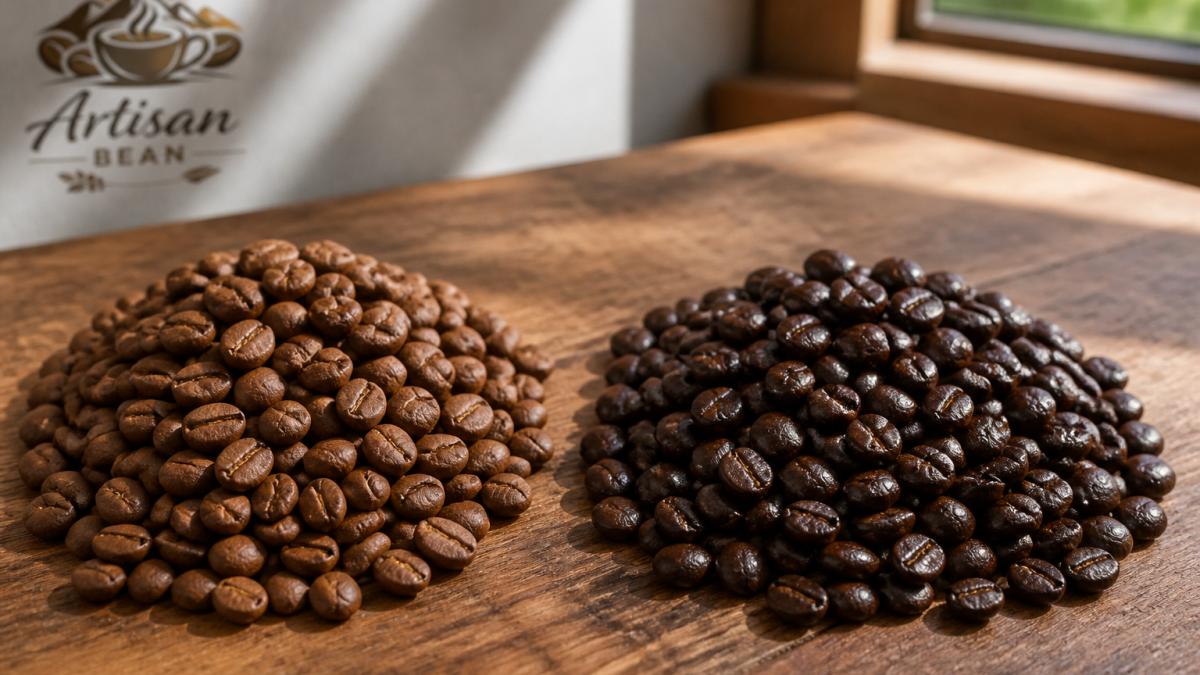
Here's how roast level changes the picture, which most guides skip:
- Light and medium roasts: fresh beans look dry and matte. A dull, faded color is a clear staleness sign.
- Dark roasts: some surface oil is normal right after roasting. But oil that turns tacky or greasy over time means the oils have oxidized.
- Any roast: a chalky, washed-out look means the beans have dried out and lost their punch.
One honest limitation: color alone won't tell you everything. A dark roast can look oily and still be fresh. Always pair the visual check with a smell test.
4. How Long Do Coffee Beans Last?
Whole beans stay at their best for about two to four weeks after the roast date. After that, they don't become unsafe, but the flavor fades fast. Ground coffee loses its edge within days.
The roast date matters far more than a "best by" date. A best-by date tells you when the bag stops being sellable, not when it was roasted.
Opened vs. Unopened Bags: The Freshness Timeline
How you store the bag changes the timeline more than the calendar does.
| Bag State | Peak Freshness | Still Good | Notes |
|---|---|---|---|
| Unopened, sealed | 2-4 weeks after roast | Up to 2-3 months | One-way valve keeps air out |
| Opened, airtight container | 1-2 weeks | 3-4 weeks | Air exposure speeds decline |
| Opened, rolled bag | 3-7 days | 1-2 weeks | Air and moisture get in fast |
| Ground coffee | 1-3 days | 1-2 weeks | Maximum surface area exposed |
Store beans in an airtight container, away from heat and light. Skip the fridge: moisture and odors creep in every time you open the door. The freezer works only for long-term storage in a sealed bag, and only if you never thaw and refreeze.
5. How to Store Coffee Beans for Maximum Freshness
Good storage buys you real time. The goal is simple: keep air, moisture, heat, and light away from the beans.
Follow these steps:
- Keep beans in the original bag with its one-way valve, or move them to an airtight container.
- Store the container in a cool, dark cabinet, not on top of the machine.
- Buy in smaller amounts you'll finish within two to four weeks.
- Grind right before brewing, not the night before.
- Never store beans in the fridge door, where temperature swings.
6. Can You Use Stale Coffee Beans? Yes, Here's How
Stale beans are not spoiled beans, and they're rarely a safety risk. If the bag smells musty, shows mold, or feels damp, throw it out. Otherwise, put the beans to work instead of the bin.
Try these uses:
- Cold brew: the slow, cold method hides flat notes and softens bitterness
- Coffee rub: ground stale beans make a bold crust for steak or roasted vegetables
- Compost: coffee grounds add nitrogen to garden soil
- Baking: grind fine and add to brownies, cookies, or a mocha cake
- Body scrub: mix grounds with oil and sugar for a kitchen spa moment
Conclusion: Freshness Is a Ritual Worth Protecting
Stale coffee is a quiet problem. It doesn't make you sick, and it doesn't announce itself. It just steals the flavor you paid for, one flat cup at a time. The fix is simpler than most people think: buy fresh, store smart, and trust your senses.
That's the whole reason Artisan Bean exists. We roast premium, micro-batch beans to order and ship them straight to your door, so the coffee you taste is the coffee the roaster intended. Our Brazil Santos brings a smooth cup with cocoa notes, while the Breakfast Blend delivers walnut, apple, and toffee in a medium roast. The Best Sellers Sample Pack lets you try six of our favorites before you commit.

Ready to taste what fresh really means? Join Our Coffee Club and turn your daily cup back into a ritual worth savoring.
Frequently Asked Questions
Are 3-year-old coffee beans still good?
No. Coffee beans lose most of their aroma and flavor within weeks of roasting, not years. After three years, even sealed beans will taste flat, papery, or cardboard-like. They are not unsafe to consume, but they will not deliver the vibrant, complex cup you expect from fresh coffee. If you find a bag that old, compost it or repurpose it for non-drinking uses.
Can you still use 2-year-old coffee beans?
You can use them, but the flavor will be severely diminished. Stale coffee beans lose their brightness, sweetness, and depth over time. Two-year-old beans will likely taste hollow and bland. If you do not want to waste them, try cold brew, which masks some staleness, or use them in baking, as a body scrub, or in compost. For drinking, fresh beans are always worth the upgrade.
Is it okay to use stale coffee beans?
Yes, stale coffee beans are not unsafe to consume. Staleness is a quality issue, not a food-safety one. However, the flavor will be flat, dull, and lacking the complexity of fresh coffee. If you want a vibrant cup, replace them. If you just need caffeine, they will still work, but the ritual and taste will be compromised. For best results, use beans within four to six weeks of the roast date.
How long does it take for coffee beans to stale?
Whole beans start losing freshness within days of roasting. Peak flavor is usually between four and fourteen days after the roast date. After three to four weeks, most beans taste noticeably stale. Ground coffee stales much faster, often within days, because more surface area is exposed to air. Opened bags degrade faster than unopened ones. Proper storage in an airtight container can slow the process but not stop it.