

How to Taste Peaberry Coffee Beans Like a Pro
Last Updated: October 26, 2026
Quick Summary
Peaberry coffee taste often exhibits increased sweetness, brightness, and complexity compared to flat beans from the same origin, though the difference is context-dependent and varies by individual palate sensitivity. The peaberry coffee taste profile depends heavily on origin, roast level, brewing method, and extraction rather than the bean shape alone.
- Peaberries make up around 5% of a roast, forming when a single seed develops inside a coffee cherry instead of the typical two flat seeds.
- Kenyan peaberries display blackcurrant and jasmine notes, while Hawaiian Kona peaberries show nutty and chocolate characteristics.
- Light roasts preserve origin characteristics and acidity, while medium roasts develop caramel and nuts that can amplify peaberry sweetness.
- Beans peak in flavor 5-14 days after roasting and taste flat after 60 days, making freshness more important than bean shape.
- Pour-over methods like Chemex and V60 offer the clearest evaluation of peaberry characteristics through clean cup profiles.
Table of Contents
- What Is Peaberry Coffee and Why Does It Matter
- What Do Peaberry Coffee Beans Actually Taste Like
- Peaberry vs Regular Coffee: The Real Differences
- Is Peaberry Coffee Better Than Regular Beans
- How to Brew Peaberry Coffee to Highlight Its Flavor
- How to Evaluate Freshness and Quality When Buying
- Discover Your Next Ritual with Fresh-Roasted Peaberries
- Frequently Asked Questions
What Is Peaberry Coffee and Why Does It Matter
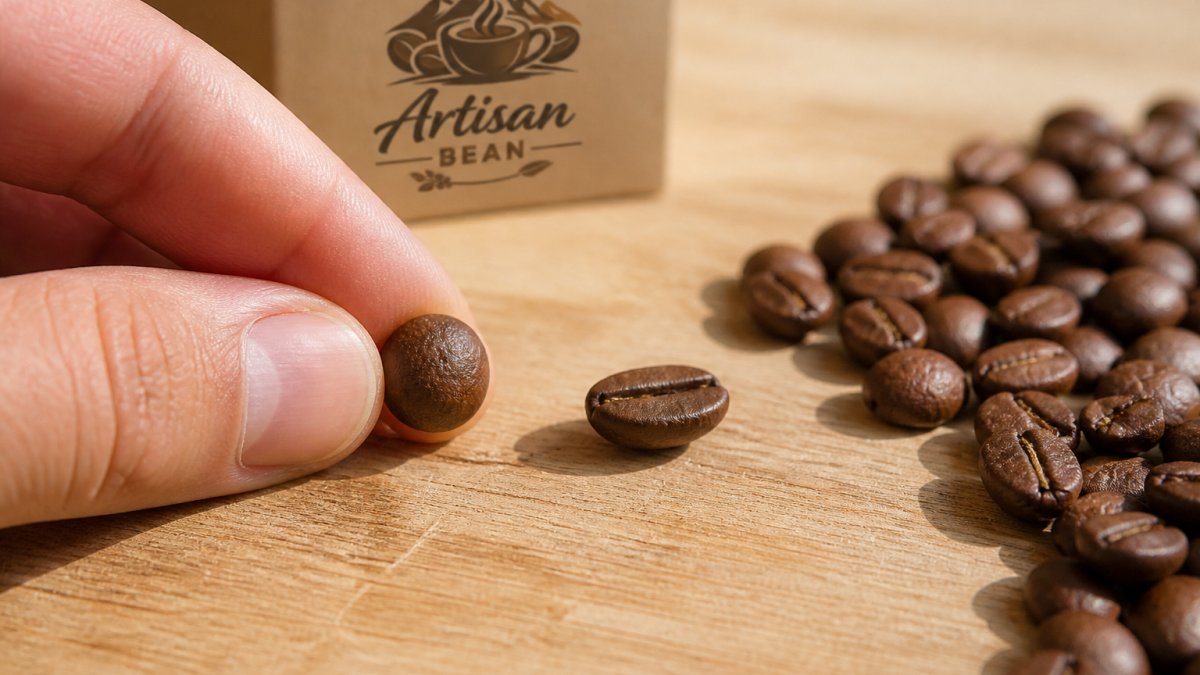
Peaberry coffee is a naturally occurring variation where a single seed develops inside a coffee cherry instead of the typical two flat seeds. Most coffee cherries produce two beans pressed against each other, creating the flat shape you're familiar with. When a peaberry forms, that single seed grows round and compact, roughly the size of a pea. Starbucks explains that peaberries make up around 5% of a roast, making them a genuine rarity worth understanding.
At Artisan Bean, we've found that peaberries spark genuine curiosity among coffee enthusiasts. The question isn't just about rarity, it's about whether that unusual shape and concentrated seed actually changes what you taste in your cup. Understanding peaberry coffee taste requires moving past the hype and examining what the evidence actually shows.
How Peaberries Form Inside the Coffee Cherry
The coffee cherry contains a fruit, pulp, and seeds. Under normal conditions, two seeds develop side by side, each pressing against the other and forming the characteristic flat bean shape. A peaberry emerges when only one seed develops inside the cherry.
This mutation occurs naturally and randomly across coffee plants. It's not a sign of superior genetics or special growing conditions, it's simply a quirk of development.
Why Peaberries Are Separated During Sorting
After harvest, coffee processors sort beans by size and density. Peaberries' round shape and denser structure cause them to behave differently during mechanical sorting. Screens and air currents separate them from flat beans automatically.
The separation creates a premium product category. Specialty roasters and coffee enthusiasts seek out peaberries for their rarity and the perception of unique flavor characteristics.
What Do Peaberry Coffee Beans Actually Taste Like
The question of what peaberry coffee tastes like sits at the center of considerable debate within the specialty coffee world. Some enthusiasts describe peaberries as sweeter, brighter, and more complex. Others report tasting no meaningful difference from regular beans of the same origin and roast.
Research examining peaberry and regular coffee found that customers commonly separate peaberries because of their higher market price and perceived cup quality. Perception and expectation play a powerful role. When you know you're tasting a peaberry, your brain may amplify subtle differences.
Sweetness and Flavor Intensity
Many coffee professionals describe peaberries as exhibiting increased sweetness compared to flat beans from the same lot. The theory suggests that the concentrated seed structure creates a higher density of soluble compounds, potentially intensifying flavor notes. Whether this translates to your cup depends heavily on extraction.
Flavor intensity isn't guaranteed. A poorly extracted peaberry tastes flat and thin. A well-extracted peaberry can display pronounced sweetness, caramel notes, or fruit-forward characteristics. The roast level matters enormously here.
Brightness, Acidity, and Clean Cup Characteristics
Peaberries often receive praise for their bright, clean cup profile. The term "brightness" refers to perceived acidity, not sourness, but liveliness and clarity of flavor. A bright cup feels crisp and vibrant on the palate.
The denser peaberry structure may contribute to this perception, though origin plays an equally important role. Ethiopian and Kenyan peaberries, for example, naturally display high acidity and floral, fruity notes. A peaberry from these origins will taste bright regardless of its shape.
Origin-Specific Flavor Profiles
Peaberry coffee taste varies dramatically by origin. A Kenyan peaberry might display blackcurrant, jasmine, and tea-like qualities. A Hawaiian Kona peaberry often shows nutty, chocolate, and subtle spice notes. An Ethiopian natural-process peaberry can offer berry, wine, and floral complexity.
The origin determines the baseline flavor potential. Explore how different coffee bean origins create distinct fruit notes and flavor characteristics. The peaberry shape may enhance or concentrate those characteristics, but it doesn't create entirely new flavor profiles.
Peaberry flavor profiles vary significantly by origin and roast level, with these common characteristics:
| Characteristic | Description | Key Factor |
|---|---|---|
| Sweetness | Often increased compared to flat beans | Bean density and extraction |
| Brightness | Crisp, vibrant acidity and clarity | Origin plays equally important role |
| Kenyan peaberry | Blackcurrant, jasmine, tea-like qualities | Geographic origin |
| Hawaiian Kona peaberry | Nutty, chocolate, subtle spice notes | Geographic origin |
| Ethiopian peaberry | Berry, wine, floral complexity | Geographic origin and processing |
| Light roast | Preserves origin characteristics and acidity | Roast level |
| Medium roast | Caramel and nuts while maintaining origin character | Roast level |
| Dark roast | Emphasizes roasted character over origin | Roast level |
Peaberry vs Regular Coffee: The Real Differences
Comparing peaberry and regular coffee beans requires a structured approach. Side-by-side tasting with beans from the same lot, roasted identically and brewed the same way, provides the clearest picture. Without this control, you're comparing too many variables at once.
Bean Shape and Its Effect on Roasting and Extraction
The round peaberry shape affects how heat penetrates during roasting. Flat beans present a larger surface area and roast more uniformly. Peaberries, being denser and more compact, can develop slightly different roast characteristics.
During brewing, shape influences how water flows through the coffee bed. Understanding how roast, grind, water temperature, and freshness affect extraction helps you brew peaberries that taste sweeter and more balanced. Flat beans pack more tightly and create more resistance. Peaberries' round shape allows water to move slightly differently, potentially affecting extraction rates.
Side-by-Side Tasting: What the Evidence Shows
Controlled tasting studies remain limited in the specialty coffee world. What we know from practitioner experience is that peaberries and regular beans from the same origin and roast can taste noticeably different to some tasters and virtually identical to others.
A common approach among coffee professionals is to cup both types together, a formal tasting method where you evaluate aroma, flavor, body, acidity, and finish. Many find peaberries score slightly higher on complexity and sweetness, though these differences are often marginal.
Is Peaberry Coffee Better Than Regular Beans
The question of whether peaberry coffee is better than regular beans can't be answered objectively. Better depends on your priorities and what you value in a cup.
Why Peaberries Command a Premium Price
Peaberries cost more because they're rarer and because demand exceeds supply. Specialty roasters and coffee enthusiasts actively seek them out, creating a premium market segment. The scarcity alone justifies higher pricing. Whether the taste difference justifies the premium is a personal decision.
Starbucks notes that peaberry shape does not change the flavor in your cup, contrasting with claims that peaberries are inherently brighter or sweeter. This represents one perspective in an ongoing conversation.
Separating Hype from Reality
The coffee industry benefits from novelty and exclusivity. Peaberries fit both categories perfectly. Marketing emphasizing rarity and unique flavor characteristics drives demand and justifies premium pricing. That doesn't mean the claims are false, it means you should evaluate them skeptically.
The reality: peaberries are genuinely different from regular beans in shape and density. Whether those physical differences translate to meaningful flavor improvements for you requires tasting. If you enjoy exploring specialty coffee, peaberries offer an interesting variation worth trying.
How to Brew Peaberry Coffee to Highlight Its Flavor
Brewing method dramatically influences what you taste in peaberry coffee. The same beans brewed two different ways can produce noticeably different cups.
Roast Level and Its Impact on Perceived Complexity
Light roasts preserve origin characteristics and acidity. If you're curious about peaberry coffee taste, a light roast allows you to evaluate the bean's natural profile most clearly. The roaster's work is minimal, so what you taste comes primarily from the origin and the bean itself.
Medium roasts introduce roasted flavors, caramel, nuts, chocolate, while maintaining some origin character. Many find peaberries shine at medium roast, where increased sweetness becomes pronounced without being overwhelmed by roast flavors.
Brewing Methods That Bring Out Peaberry Characteristics
Pour-over methods like Chemex and V60 offer excellent clarity. The paper filters remove oils and sediment, producing a clean cup that highlights subtle flavor nuances.
French press and espresso extract more oils and create heavier body. These methods can amplify sweetness and body, potentially making peaberry characteristics more pronounced.
The key: choose a brewing method you enjoy, then experiment. Brew the same peaberry using different methods. Brew peaberries and regular beans from the same origin using identical methods. These comparisons reveal what actually changes and what remains consistent.
How to Evaluate Freshness and Quality When Buying
Freshness matters more than any other factor in determining what you'll taste. A fresh peaberry from a mediocre origin will outperform a stale peaberry from an excellent origin every time.
Check the roast date. Beans peak in flavor 5-14 days after roasting. After 30 days, complexity fades noticeably. After 60 days, most specialty coffees taste flat and muted. Artisan Bean roasts to order and ships immediately.
Look for origin transparency. A quality peaberry listing includes the country, region, farm or cooperative, elevation, processing method, and flavor notes.
Consider the price relative to the origin. Excessive premiums often reflect marketing rather than quality differences. You can learn more about evaluating quality in our guide to buying quality single origin coffee beans, which covers freshness, traceability, roast style, and brew methods that let every origin shine.
Discover Your Next Ritual with Fresh-Roasted Peaberries
Tasting peaberry coffee offers a genuine opportunity to explore specialty coffee more deeply. Whether the round bean tastes meaningfully different from a flat one, the experience of seeking out a rarity and evaluating it carefully becomes part of your coffee ritual.
Artisan Bean sources peaberries from origins known for distinct, compelling flavor profiles. We roast in small batches on order and ship immediately after roasting. Our single origin collection features seasonal peaberries selected specifically for their flavor potential.
Frequently Asked Questions
What do peaberry coffee beans taste like compared to regular coffee?
Peaberry coffee beans taste different to different people. Some describe them as sweeter, brighter, or more complex, while others detect little difference from regular flat beans. The flavor depends on the bean's origin, roast level, and how you brew it. Starbucks notes that peaberry shape alone does not change flavor in the cup, though fans often separate peaberries because of their perceived cup quality and higher market price.
Is peaberry coffee really better, or is it just marketing?
Whether peaberry coffee is better is genuinely disputed. Taste remains subjective. Some coffee enthusiasts swear peaberries deliver sweeter, more flavorful cups, while skeptics say they cannot detect a meaningful difference. Your palate, expectations, and brewing method matter more than the bean's shape. The premium price reflects rarity (peaberries make up around 5% of a roast) and sorting effort, not guaranteed superior taste.
How should you brew peaberry coffee to bring out its flavor?
Brewing method significantly affects what you taste in peaberries. Pour-over and French press brewing tend to highlight brightness and body, while espresso can intensify sweetness. Experiment with brew time to find your preference. Lighter roasts often emphasize peaberry's perceived acidity and complexity, while medium to dark roasts can bring out chocolate or nutty notes depending on origin.
Why does peaberry coffee cost more if the taste difference is unclear?
Peaberries cost more because they are rare (roughly 5% of any harvest) and require extra sorting and screening to separate from regular flat beans. This labor-intensive process and limited supply drive up the price per pound. Specialty coffee roasters also market peaberries as premium because coffee enthusiasts value them for perceived quality and unique sensory characteristics, even though scientific evidence for inherent flavor superiority remains mixed.
