

Press Coffee vs Anchorhead Coffee: A Detailed Review
Table of Contents
- Press Coffee vs Anchorhead Coffee: What Sets Them Apart
- Press Coffee Review: Quality, Consistency, and What to Expect
- Anchorhead Coffee Review: Roast Profile and Freshness
- Coffee Subscriptions for Home Brewing: How They Compare
- Freshness, Roast Dates, and Bean Sourcing
- Which Roaster Should You Choose?
- Frequently Asked Questions
Last Updated: October 17, 2026
Press Coffee vs Anchorhead Coffee: What Sets Them Apart
When you're serious about coffee, the difference between a good roaster and a great one becomes obvious. The aroma tells the story first. Then the taste confirms it.
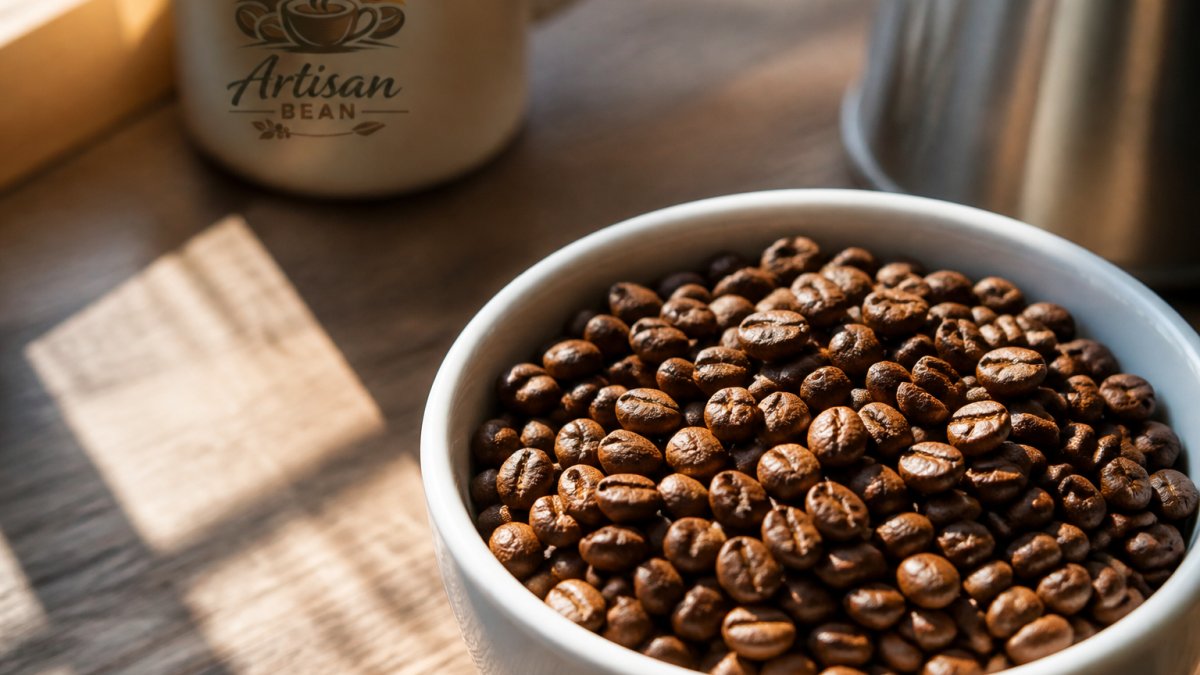
Press Coffee and Anchorhead Coffee are two Seattle-based roasters that dominate local conversations about specialty coffee. Both have built loyal followings. Both emphasize freshness and quality.
This guide from Artisan Bean breaks down exactly how these two roasters compare across the dimensions that actually change your morning ritual: coffee quality, flavor consistency, espresso performance, and what happens when you brew at home.
The real question isn't which roaster is objectively better. It's which one aligns with how you actually brew and what flavor profiles you chase.
Press Coffee Review: Quality, Consistency, and What to Expect
Press Coffee has built its reputation on consistency and accessibility. They roast for filter coffee and espresso equally, which means their beans are engineered to perform across multiple brew methods. This versatility is both a strength and a limitation.
Coffee Quality and Flavor Profile
Press Coffee delivers clean, approachable coffee that doesn't demand much from you. Their roasts tend toward the medium side, which means you get clarity without the complexity that comes with lighter roasts or the heaviness of darker ones.
A common mistake is assuming that accessibility means boring. Press Coffee isn't boring. It's just not challenging. Their beans work reliably whether you're using a French press, a pour-over, or an espresso machine. The flavor stays consistent across different water temperatures and brew times, which is harder to achieve than it sounds.
The thing most guides miss about Press Coffee is that this consistency comes from intentional roast choices, not from using lower-quality beans. They're not cutting corners. They're making a deliberate decision to prioritize reliability over complexity.
Espresso and Filter Coffee Performance
Press Coffee excels with espresso. Their roasts have enough body to create a proper crema and enough sweetness to balance the intensity of a shot. If you're pulling shots at home, Press Coffee is a safe choice. You won't get the dramatic, complex notes you might find in a single-origin espresso from a roaster focused on lighter roasts, but you will get something that tastes good and doesn't require constant adjustment.
Filter coffee from Press Coffee is where their philosophy really shows. A pour-over or Chemex brew pulls out clean, tea-like qualities. The coffee stays bright without becoming sour. This is the coffee quality that works well if you're brewing at the office or making a large batch for guests. It doesn't demand attention.
Cold Brew Suitability
Press Coffee performs adequately in cold brew but isn't specifically optimized for it. Cold brew needs body and sweetness to shine, and Press Coffee's medium roasts provide both. The result is smooth and drinkable. It's not the most interesting cold brew you'll taste, but it won't disappoint either.
Anchorhead Coffee Review: Roast Profile and Freshness
Anchorhead Coffee takes a different approach entirely. They roast lighter and focus heavily on single-origin coffees. This philosophy means their beans demand more from you as a brewer, but they reward that attention with significantly more complexity and flavor.
Bean Selection and Sourcing
Anchorhead sources directly from specific farms and emphasizes the unique characteristics of each origin. This isn't just marketing language. When you buy Anchorhead coffee, you're buying coffee from a specific farm in Ethiopia or Colombia, not a blend designed to taste consistent across multiple origins.
The roast dates matter here. Anchorhead ships beans quickly after roasting, which means the coffee you receive is genuinely fresher than what you'd find at a grocery store or even at many specialty cafes. Freshness is the foundation of their quality promise. Like Artisan Bean, they understand that staleness is the enemy of complexity. Fresh beans reveal the nuances that roasters work to preserve.
The sourcing philosophy creates a tradeoff. You get more flavor variation between different Anchorhead coffees than you would between different Press Coffee offerings. Some people love this. Others find it exhausting to never quite know what they're getting.
Taste, Consistency, and Atmosphere
Anchorhead's lighter roasts bring acidity and brightness that Press Coffee's medium roasts don't offer. If you appreciate fruity or floral notes in coffee, Anchorhead is where you'll find them. The taste profile is more pronounced, more opinionated, and more likely to spark conversation about what you're actually tasting.
Consistency works differently at Anchorhead. You won't get the same flavor every time you buy their coffee, because every batch comes from a different harvest or different processing method. This is intentional. They're not trying to create a reliable, predictable product. They're trying to showcase what each origin offers.
The cafe atmosphere reflects this philosophy. Anchorhead's locations feel more like coffee laboratories than comfortable gathering spaces. The staff knows coffee deeply and expects customers to care about the details.
Coffee Subscriptions for Home Brewing: How They Compare
Both roasters offer subscription options for home delivery, and this is where the choice becomes practical. Subscriptions solve the staleness problem by getting fresh beans to your door regularly. The question is whether you want the consistency of Press Coffee or the variety of Anchorhead.
Press Coffee subscriptions work well if you've found a coffee you love and want it reliably. You can set the frequency and volume, and you'll get the same coffee consistently. This removes decision fatigue and ensures you never run out of beans.
Anchorhead subscriptions are for people who want discovery. You'll receive different coffees across different origins, which means you're continuously tasting new flavor profiles. This appeals to coffee enthusiasts but requires more engagement. You need to adjust your brewing parameters when the coffee changes, or you'll miss what makes each origin unique.
Freshness, Roast Dates, and Bean Sourcing
Freshness is the single most important variable in specialty coffee, yet most comparisons treat it as a checkbox. Here's how Press Coffee and Anchorhead Coffee actually differ on roast dates, shipping speed, and bean sourcing, and why those differences matter for your cup.
Roast-to-Ship Timeline
Press Coffee roasts on a published weekly schedule and ships within 1-2 business days of roasting. In practice, most bags arrive with a roast date 3-7 days old. That's solid for a multi-location roaster, but it's not the absolute peak. Coffee is generally considered at its best 4-14 days post-roast for filter, and 7-21 days for espresso. Press hits the early window reliably.
Anchorhead Coffee roasts to order for most single-origin offerings. Bags typically ship within 24-48 hours of roasting, so you're often brewing coffee that's 2-5 days old. That's the difference between "fresh" and "just roasted." For light-roast single origins, this matters: the CO2 bloom is still active, and you'll need to adjust your grind slightly coarser for the first few days or you'll get uneven extraction.
Sourcing Transparency
Press Coffee works primarily with multi-origin blends and a rotating lineup of single origins. Their sourcing is relationship-based but not farm-specific on the bag, you'll see country and region, not always the washing station or producer name. That's fine for consistency, but it limits traceability.
Anchorhead publishes producer names, farm elevations, and processing methods (washed, natural, honey) for most single-origin releases. This is the level of detail specialty coffee enthusiasts expect. It also means you can track how a specific farm's coffee changes harvest to harvest, something impossible with a blend.
What This Means for Your Brew
If you want a bag that performs predictably the day it arrives, Press Coffee's slightly older roast date is actually an advantage, the coffee has rested and is ready to brew. If you want to taste the absolute peak of a specific harvest and don't mind adjusting your recipe, Anchorhead's roast-to-order model delivers more vibrancy and origin character.
| Freshness Factor | Press Coffee | Anchorhead Coffee |
|---|---|---|
| Typical roast-to-ship | 1-2 business days | 24-48 hours |
| Roast date on arrival | 3-7 days old | 2-5 days old |
| Sourcing detail | Country/region, blend-focused | Producer, farm, processing method |
| Best for | Ready-to-brew consistency | Peak-freshness exploration |
Neither approach is wrong. They're optimized for different drinkers. The key is to match the freshness model to how you actually brew, and to check the roast date on every bag, regardless of which roaster you choose.
Which Roaster Should You Choose?
The honest answer is that the "better" roaster depends on how you brew, what flavors you chase, and how much effort you want to invest. Here's a decision framework based on the dimensions that actually change your daily cup.
Choose Press Coffee If:
- You want consistency above all. Press's medium roasts are engineered to taste the same bag after bag. If you've found a coffee you love and don't want to think about it, this is your roaster.
- You brew multiple methods. Press performs well across espresso, pour-over, French press, and cold brew without requiring recipe changes. It's the "set it and forget it" option.
- You're buying for a household or office. When you're making coffee for people with different preferences, Press's approachable, clean profile pleases a wider range of drinkers.
- You want espresso that pulls easily. Press's roasts have enough body and sweetness to produce crema and balanced shots without extensive dialing-in.
Choose Anchorhead Coffee If:
- You want to taste origin character. Anchorhead's single-origin, light-roast approach delivers fruity, floral, and complex notes that Press's blends don't attempt.
- You're willing to adjust your brewing. Anchorhead rewards attention. You'll need to tweak grind size, water temperature, and ratio as you move between coffees. If that sounds like fun, you'll love it.
- You value peak freshness and traceability. Roast-to-order shipping and producer-level sourcing details make Anchorhead the choice for enthusiasts who want to know exactly what they're drinking.
- You treat coffee as a hobby. If you read reviews like this one, you probably care more about complexity than the average drinker. Anchorhead is built for you.
The Quick Decision Matrix
| Your Priority | Best Choice | Why |
|---|---|---|
| Reliable daily espresso | Press Coffee | Consistent, forgiving, easy to dial in |
| Exploring single origins | Anchorhead Coffee | Rotating, traceable, complex |
| Brewing for a crowd | Press Coffee | Approachable, crowd-pleasing profile |
| Chasing peak freshness | Anchorhead Coffee | Roast-to-order, 2-5 day old beans |
| Minimal effort | Press Coffee | Works across methods without adjustment |
| Maximum flavor discovery | Anchorhead Coffee | Rewards experimentation |
If you're still unsure, start with a small bag from each. Brew the same drink, say, a pour-over or an espresso shot, side by side. Your palate will tell you more than any review can.
Frequently Asked Questions
What is the difference between Press Coffee and Anchorhead Coffee?
Press Coffee and Anchorhead Coffee differ in roast philosophy, bean sourcing, and flavor intensity. Press Coffee emphasizes lighter roasts that highlight origin characteristics, while Anchorhead Coffee leans toward medium roasts with bold, balanced profiles. Press Coffee sources from multiple roasters, whereas Anchorhead maintains tighter control over their own roasting. Both offer fresh beans through subscription, but their taste profiles and brewing recommendations vary based on their roasting approach.
Which roaster is better for espresso, Press Coffee or Anchorhead Coffee?
Anchorhead Coffee typically performs better for espresso due to their medium roast profile, which creates the body and crema espresso machines need. Press Coffee's lighter roasts work for espresso but may taste thinner in the cup. If you're pulling shots regularly, Anchorhead's roast style provides more forgiving extraction. However, personal preference matters, some espresso lovers prefer the brightness Press Coffee brings to milk-based drinks.
Does Press Coffee or Anchorhead Coffee offer coffee subscriptions?
Both Press Coffee and Anchorhead Coffee offer subscription services for home brewing. Press Coffee delivers curated selections from multiple roasters on a regular schedule. Anchorhead Coffee ships their own roasted beans directly to your door on your preferred frequency. Subscription flexibility varies, check each roaster's terms for pause options, frequency changes, and whether you can customize bean selection or must accept their recommendations.
Is Anchorhead Coffee worth the price compared to grocery store coffee?
Yes, if freshness and flavor matter to you. Anchorhead Coffee ships beans shortly after roasting, preserving the complex notes that fade in grocery-store coffee sitting on shelves for weeks. The taste difference is noticeable in the first cup, brighter aroma, cleaner finish, more origin character. The price premium reflects fresher beans, direct roasting, and careful sourcing. For daily coffee drinkers who notice quality differences, the investment typically justifies itself through better taste and ritual satisfaction.