

Single Origin Coffee Beans for Beginners: 2026 Guide
Table of Contents
- What Single-Origin Coffee Beans Actually Mean (and Why Beginners Should Care)
- Single-Origin vs. Coffee Blends: Which Should You Start With?
- Single-Origin Coffee Flavor Profiles by Region and Processing Method
- How to Choose the Best Coffee Beans for Beginners: A Flavor-First Decision Tree
- How to Brew Single-Origin Coffee at Home Without Overcomplicating It
- How to Store Coffee Beans So Freshness Lasts Longer Than a Week
- Fixing Sour, Bitter, or Weak Single-Origin Coffee: A Dial-In Checklist
- Conclusion: Your First Bag of Single-Origin Coffee Starts Here
- Frequently Asked Questions
Last Updated: October 12, 2026
What Single-Origin Coffee Beans Actually Mean (and Why Beginners Should Care)
Single origin coffee is coffee traced to one specific country, region, or single farm, rather than a blend of beans from multiple places. According to the Specialty Coffee Association's origin and traceability guidance, origin transparency is one of the defining markers of specialty-grade coffee, and it is what separates a bag with a real story from a bag with a marketing label.

Here at Artisan Bean, we roast in micro-batches and ship right after roasting, because origin character fades fast once beans sit on a shelf.
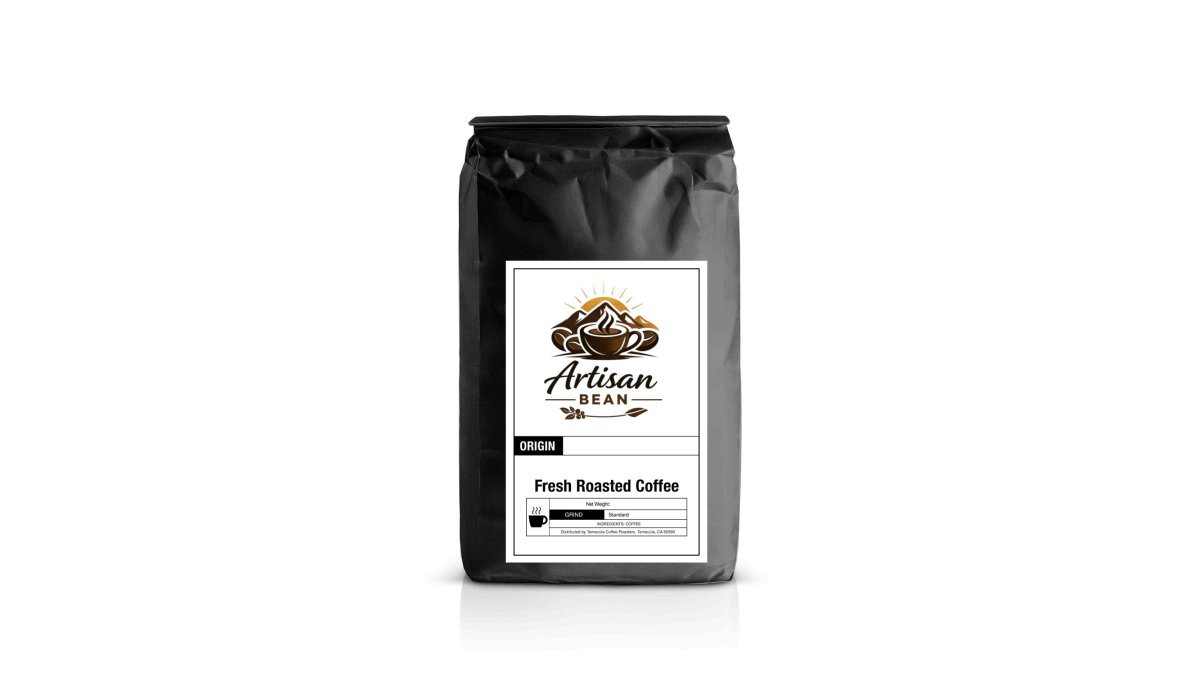
Why care as a beginner? Single-origin coffee teaches your palate. A blend is engineered for consistency; a single origin coffee tastes like the place it grew.
Single-Origin vs. Coffee Blends: Which Should You Start With?
Start with single origin to learn what you like; start with a blend for a dependable cup that tastes the same every morning.
The real difference is predictability versus discovery. A blend combines beans to hit a target flavor profile, so the roaster can compensate when one crop shifts.
| Factor | Single Origin | Coffee Blend |
|---|---|---|
| Flavor | Distinctive, changes by region | Consistent, designed profile |
| Best for | Learning your preferences | Daily reliability |
| Traceability | Farm or region named | Often unnamed components |
| Price | Usually higher | Usually lower |
A common mistake is buying five single origins at once and losing track of which is which. Buy one, finish it, then buy the next.
Single-Origin Coffee Flavor Profiles by Region and Processing Method
Flavor follows two things: where the coffee grew and how it was processed. Growing region sets the baseline. Processing method, meaning how the fruit was removed and dried, decides how much fruitiness survives.
Latin American origins tend toward cocoa, caramel, and citrus; African origins lean floral and berry-forward. Processing amplifies or mutes that: washed coffees taste cleaner and brighter, natural-process coffees sweeter and fruitier.
Why Processing Changes What You Taste
Processing is the step between harvest and dried green bean, determining how much fruit sugar and acid remain.
Washed (wet) process: The fruit is removed before drying; the bean ferments in water, then is washed clean.
Pulped natural: Common in Brazil. The skin is removed, but the bean dries with mucilage still attached, similar to honey process.
Wet-hulled: Used in Indonesia (Sumatra, Sulawesi).
A Region-by-Region Flavor Map for Beginners
Use this as a starting point, not a rule. Roast level and processing can shift these profiles significantly.
- Central America (Guatemala, Costa Rica, Panama): Bright acidity, clean cup, notes of apple, citrus, honey, and sometimes floral. Washed and honey processes dominate.
- South America (Colombia, Brazil, Peru): Colombia tends toward caramel, orange, and red berry. Brazil is nutty, chocolatey, and low-acid. Peru is often mild and sweet with cocoa and stone fruit.
- East Africa (Ethiopia, Kenya, Tanzania): Ethiopia is floral, tea-like, and berry-forward. Kenya is intense with blackcurrant and grapefruit acidity. Tanzania sits between the two, with pear, floral, and strawberry notes.
Our own lineup shows the range:
- Brazil Santos (medium roast): elegant, smooth cup with cocoa notes, pulped natural and sun-dried
- Colombia (medium roast): dried orange, berry, chocolate, fully washed and dried in solar dryers
- Costa Rica (medium roast): sweet apple, raisin, honey, eco-pulped and sun-dried
A Practical Glossary of Tasting Notes and Processing Terms
Acidity is the bright, lively quality in coffee, not sourness. Body is the weight on your tongue, from tea-like to syrupy. Aroma is what you smell before tasting. Washed means the fruit was removed before drying, giving cleaner flavor. Natural means the beans dried inside the fruit, adding sweetness and fruit. Pulped natural sits between the two. Honey process leaves some mucilage on the bean during drying, adding sweetness and body. Wet-hulled removes the fruit while wet, creating earthy, herbal notes. Variety is the plant type, such as Caturra or Bourbon. Altitude matters because slower ripening at height builds complexity.

How to Choose the Best Coffee Beans for Beginners: A Flavor-First Decision Tree
Answer two questions and you have your first bag. What do you already enjoy drinking, and what equipment do you own?
Work through it in order:
- You like chocolate and nutty notes → choose a medium roast from Brazil or Colombia.
- You like fruit and brightness → choose a natural-process Ethiopia or a washed Costa Rica.
- You brew pour-over or a V60 → a light or medium-light roast shows its aromatics best.
- You brew espresso or a moka pot → a medium or medium-dark roast holds up against pressure.
- You want to try several at once → start with a sample pack rather than committing to a full bag.
That last point matters more than most guides admit. Our Single Origin Favorites Sample Pack gives you six 2-ounce packs covering Brazil, Colombia, Costa Rica, Ethiopia, Honduras, and Tanzania for $27.99, the cheapest way to find your favorite before buying a full pound.
How to Brew Single-Origin Coffee at Home Without Overcomplicating It
Great single-origin coffee needs three things: fresh beans, a consistent grind, and water just off the boil. Everything else is refinement.
But single-origin beans are not blends. They are more sensitive to brew variables because they lack the buffer of multiple origins. A blend can hide a slightly off grind or water temperature. A single origin cannot. That sensitivity is actually helpful: it teaches you what each variable does.
The Beginner Pour-Over Method (Works for Most Single Origins)
Here is the beginner pour-over method we recommend:
- Heat water to roughly 93°C (about 200°F). If you have no thermometer, boil and wait 30 seconds.
- Weigh 15 g of coffee and 250 g of water, a 1:16 ratio.
- Grind medium, about the texture of table salt.
- Rinse the filter with hot water, then discard that water.
- Add coffee, pour 50 g of water, and wait 30 seconds for the bloom.
- Pour the remaining water in slow circles, finishing around 2:30 to 3:00 total.
Expected result: a flat bed of grounds at the end and a total brew time near three minutes. If the bed is muddy and the brew ran long, grind coarser next time.
How to Adjust Brewing for Different Single Origins
Not all single origins brew the same. Roast level and processing method change how the bean extracts.
Light roasts (often African, washed): Denser and less soluble, they need hotter water (94-96°C) and a finer grind.
Single Origin Favorites Sample Pack →
Medium roasts (often Latin American, washed or pulped natural): The standard recipe above works well.
Natural process coffees: These can produce more fines (small particles) during grinding, slowing the brew and causing bitterness.
Equipment-Specific Adjustments
Pour-over (V60, Chemex, Kalita): The recipe above is your baseline.
French press: Grind coarser (like coarse sea salt) and steep four minutes.
Moka pot: Grind finer than pour-over but coarser than espresso.
AeroPress: Grind medium-fine. Use a 1:12 ratio for a concentrated cup or 1:16 for a lighter one.
Espresso: Single-origin espresso is tricky; light roasts often taste sour because espresso extracts quickly.
A Dial-In Checklist for Single-Origin Coffees
Taste the cup, then change one variable at a time. Sour means under-extracted, bitter means over-extracted, and weak means too little coffee for the water.
Use this checklist:
- Sour, sharp, or thin? Grind finer, or raise water temperature slightly.
- Bitter, dry, or harsh? Grind coarser, or lower water temperature.
- Weak or watery? Increase the dose, roughly 1 g more coffee per 15 g water.
Change one thing, brew again, and taste. Adjusting three variables at once tells you nothing.
How to Store Coffee Beans So Freshness Lasts Longer Than a Week
Store coffee beans in an airtight, opaque container at room temperature, away from light, heat, and moisture. That single habit protects more flavor than any gadget you can buy.
The enemies are oxygen, light, heat, and moisture, in that order.
Buy in sizes you will finish: a 12-ounce bag lasts most home brewers about two weeks at one cup a day.
Fixing Sour, Bitter, or Weak Single-Origin Coffee: A Dial-In Checklist
Taste the cup, then change one variable at a time. Sour means under-extracted, bitter means over-extracted, and weak means too little coffee for the water.
Use this checklist:
- Sour, sharp, or thin? Grind finer, or raise water temperature slightly.
- Bitter, dry, or harsh? Grind coarser, or lower water temperature.
- Weak or watery? Increase the dose, roughly 1 g more coffee per 15 g water.
Change one thing, brew again, and taste. Adjusting three variables at once tells you nothing.
Conclusion: Your First Bag of Single-Origin Coffee Starts Here
The hardest part of single-origin coffee is not the brewing. It is choosing a first bag without wasting money on something you will not finish. Sample sizes, a flavor-first decision, and one variable changed at a time solve that.
Artisan Bean roasts in micro-batches, partners directly with sustainable farms, and ships immediately after roasting, so the cup you brew is the cup the roaster intended. Start with our Single Origin Favorites Sample Pack at $27.99, or go straight to a full bag of Brazil Santos or Ethiopia Natural at $22.99.

Frequently Asked Questions
What does single-origin coffee mean?
Single-origin coffee comes from one specific place, whether that is a single country, region, farm, or cooperative. Unlike a blend, which mixes beans from multiple locations to create a consistent flavor, single-origin coffee highlights the distinctive taste of its growing region. That traceability lets you taste how factors like altitude, soil, and processing shape the final cup. Beginners often start with a medium roast from a well-known region such as Colombia or Brazil.
Which coffee origin is easiest for beginners to enjoy?
Brazil and Colombia are the most approachable starting points. Brazilian beans, like the Brazil Santos from Artisan Bean, tend to be smooth with cocoa notes and low acidity, which suits milk drinks and drip brewing. Colombian beans offer a bit more brightness with dried orange and berry notes. If you want to try something fruitier, Ethiopia Natural brings milk chocolate, caramel, and fruity notes. Start with a medium roast before exploring light or dark options.
Is single-origin coffee stronger than a blend?
Not necessarily. Strength usually refers to how you brew the coffee, not whether it is single-origin or a blend. A single-origin coffee can taste bold or delicate depending on its roast level and brewing method. What single-origin coffee does offer is a clearer, more distinctive flavor profile, since nothing is blended in to round off the edges. If you want a heavier cup, try a darker roast or adjust your coffee-to-water ratio rather than switching to a blend.
How should I brew single-origin coffee at home?
A pour-over setup like a V60 or a simple drip brewer works well for beginners because it lets the origin's flavors come through clearly. Use a medium grind, water just off the boil, and a ratio around 1:15 coffee to water. Start with 15 grams of coffee to 225 grams of water. If the cup tastes sour, grind finer or brew longer. If it tastes bitter, grind coarser. Freshly roasted beans from a micro-batch roaster make the biggest difference.
How should I store single-origin coffee beans?
Keep beans in an airtight, opaque container at room temperature, away from light, heat, and moisture. Do not store them in the fridge or freezer unless you are freezing a large batch for long-term storage. Buy in bag sizes you can finish within two to four weeks of the roast date. Whole beans stay fresher than pre-ground coffee, so grind right before you brew. Check the roast date rather than the best-before date.
What should my first single-origin coffee be?
If you drink coffee with milk, start with Brazil Santos for its smooth cocoa notes. If you drink it black and want brightness, try Colombia with its dried orange and berry flavors. If you want something fruit-forward and slightly adventurous, Ethiopia Natural delivers milk chocolate, caramel, and fruity notes. A sample pack is a low-risk way to try several origins side by side before committing to a full bag.