

Trade Coffee vs Craft Coffee: A Clear Comparison
Table of Contents
- Trade Coffee vs Craft Coffee: What Actually Separates Them
- Trade Coffee Subscription Review: What You Get
- Best Coffee Subscription for Home Baristas
- Coffee Subscription Price and Delivery Frequency Comparison
- Why Roast-to-Order Changes Everything
- Making Your Choice: Trade Coffee or Craft Coffee
- Frequently Asked Questions
Last Updated: October 13, 2026
Trade Coffee vs Craft Coffee: What Actually Separates Them
Understanding trade coffee vs craft coffee shapes everything from how your beans are roasted to how fresh they are when they hit your grinder.
Trade coffee refers to commercially produced beans designed for mass distribution.
Craft coffee, by contrast, emphasizes small-batch roasting, direct relationships with producers, and rapid delivery to your door. Roast-to-order is the hallmark: beans are roasted specifically for your order and shipped within days.
Craft coffee isn't just a marketing term. It's a fundamentally different approach to sourcing, roasting, and delivery, and the gap between a bag roasted three months ago and one roasted three days ago is enormous in the cup.
How Trade Coffee and Craft Coffee Differ in Supply Chain
Trade coffee operates on a traditional supply chain built for scale. Beans are roasted in large batches, stored in climate-controlled warehouses, then distributed through retailers. This model requires long lead times, roasters must predict demand weeks in advance.
Craft coffee flips this. Roasters wait for your order, then roast specifically for you. No inventory sitting idle. No guessing demand. The entire chain moves faster because it's built around pulling orders, not pushing stock.
The practical difference: trade coffee's roast date might be three months old, while craft coffee's is typically 3-7 days old.
The Roasting and Freshness Factor
Roast-to-order is the defining feature that separates craft coffee from trade coffee: when beans are roasted for your order, freshness becomes a guarantee rather than a hope.
Trade coffee roasters make large batches to minimize per-unit costs. Those batches are packaged and shipped to distributors, and weeks pass before a bag reaches a consumer.
Craft roasters work differently: your order triggers the roast, and beans go from cooler to roaster to your mailbox in days. Artisan Bean roasts in micro-batches and ships immediately after cooling, so you're tasting coffee at its peak.
The flavor impact is real. Fresh-roasted beans have bright, complex notes, while stale beans taste flat and one-dimensional.
Sourcing, Traceability, and Ethical Practices
Trade coffee typically sources through commodity brokers and large importers. Beans are aggregated from many farms, blended together, and sold by the container. Traceability is limited, you might know the country, rarely the specific farm or farmer.
Craft coffee prioritizes direct relationships. Many craft roasters work with specific farms or farmer co-ops, knowing the growers' names, elevation, processing method, and harvest season.
Artisan Bean sources from smallholder farmers with direct partnerships. Our Bali Blue comes from specific growers in Kintamani, hand-picked and wet-hulled on raised beds.

Trade coffee doesn't necessarily exploit farmers, but the supply chain obscures the relationship. Craft coffee makes it visible.
Trade Coffee Subscription Review: What You Get
A trade coffee subscription typically offers convenience and price. You receive bags on a schedule, often at a discount, but selection is limited to 10-20 rotating options, usually pre-selected or chosen from a curated list.
Craft coffee subscriptions flip the model. You choose your beans, customize frequency, and receive freshly roasted coffee. Selection is broader because roasters aren't constrained by inventory. Pricing is higher because roast-to-order costs more than mass production.
The trade-off is real: convenience and low price versus freshness and choice. For casual coffee drinkers, trade subscriptions make sense. For people who care about flavor, craft subscriptions deliver.
Selection and Roaster Variety
Trade coffee subscriptions typically partner with 2-5 established roasters. Selection rotates monthly, but the pool is fixed, so the same roasters and origins cycle through repeatedly.
Craft coffee subscriptions offer access to many independent roasters. Some services connect you to dozens of small roasters, each with unique flavor profiles and sourcing philosophies.
At Artisan Bean, we offer single-origin coffees like our Ethiopia Natural (medium-light roast with milk chocolate, fruity, and caramel notes) and our Bali Blue (medium-dark roast with dark chocolate, molasses, and brown sugar).

The variety matters if you care about exploring different origins and roast profiles. If you're indifferent to these nuances, trade coffee's limited selection is sufficient.
Taste Profile and Coffee Quality
This is where craft coffee shines. Fresh-roasted beans have complexity aged beans simply don't have: volatile aromatics peak 3-7 days after roasting, then fade, and by 30 days much of that complexity is gone.
Trade coffee quality varies widely. Some commercial roasters are genuinely skilled. But the supply chain works against them. A perfectly roasted bean loses its edge sitting in a warehouse for two months.
Craft coffee's advantage is consistency. Every bag you receive is roasted within days of arrival. The flavor profile the roaster intended is the flavor profile you taste.
Best Coffee Subscription for Home Baristas
For home baristas, craft coffee subscriptions outperform trade options. Home brewing, whether pour-over, French press, or espresso, is technique-sensitive, and stale coffee masks both technique and origin character.
Trade subscriptions work if you're making milk-heavy drinks (lattes, cappuccinos) where espresso quality matters less. For black coffee, pour-overs, or single-origin espresso, freshness becomes essential.
Whole Bean and Grind Options
Trade subscriptions typically offer whole bean only. Some allow you to select grind size, but the beans are pre-ground at the roastery or warehouse before shipping.
Craft subscriptions almost always ship whole bean. Grinding at home, moments before brewing, is the standard practice. Some craft roasters offer pre-ground options, but whole bean is the default.
Artisan Bean ships whole bean. The aromatic compounds that make fresh coffee taste complex begin degrading immediately after grinding. Whole bean stays fresh longer.
Customization and Personalized Recommendations
Trade subscriptions offer limited customization. You choose your roast preference (light, medium, dark) and receive bags accordingly; some use a quiz to match your taste, but the selection pool is small.
Craft subscriptions excel at customization. You can select specific origins, roast profiles, and brewing methods. Some use flavor preference questionnaires to recommend origins that match your palate.
Personalization works because craft roasters know their beans deeply. They can recommend an Ethiopian natural process coffee for fruity, floral notes or a Brazilian blend for chocolate and nutty profiles.
Coffee Subscription Price and Delivery Frequency Comparison
| Aspect | Trade Coffee | Craft Coffee |
|---|---|---|
| Price Per Bag | $10-15 | $22-25 |
| Roast Date | 6-12 weeks old | 3-7 days old |
| Subscription Flexibility | Fixed monthly | Choose frequency |
| Selection Variety | 10-20 rotating options | 50+ origins available |
| Sourcing Transparency | Limited | Farm-level traceability |
| Grind Options | Pre-ground available | Whole bean standard |
| Freshness Guarantee | No | Yes |
Cost Per Bag and Value for Money
Trade coffee subscriptions are cheaper upfront.
Craft coffee costs more. Artisan Bean's single-origin coffees are $22.99 per bag, and our blends range from $22.99 to $24.99. That's roughly double trade coffee pricing.
The value question depends on what you care about. If you're making milk-heavy drinks and price is the priority, trade coffee wins. If you're brewing black coffee or espresso and flavor matters, craft coffee's premium is justified.
Here's the math: a bag of craft coffee at $23 yields 40 cups at $0.58 per cup. That extra $0.28 per cup buys you freshness and traceability. For daily coffee drinkers, that's $8-10 per month, a meaningful but not prohibitive difference.
Subscription Flexibility and Shipping Timeline
Trade subscriptions lock you into a schedule.
Craft subscriptions offer flexibility. You choose when to order. Some allow you to skip months without penalty. This matters if you have varying consumption or travel.
Shipping timelines also differ. Trade coffee ships from warehouses, so delivery is predictable but not fast. Craft coffee ships directly from roasteries, typically 1-2 business days after roasting. Artisan Bean ships immediately after roasting, so you receive coffee at peak freshness.
Why Roast-to-Order Changes Everything
Roast-to-order is the operational difference that makes craft coffee fundamentally fresher. Understanding this process explains why the flavor gap exists.
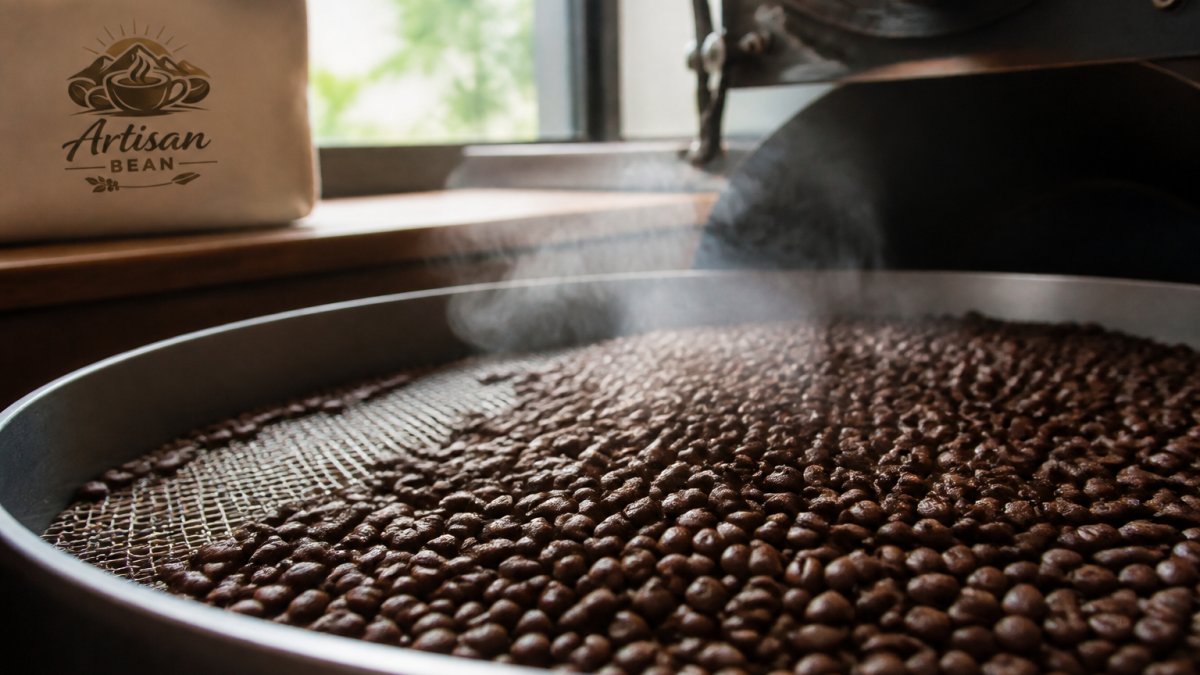
When you order coffee from Artisan Bean, your order triggers a roast. Beans move from storage to roaster.
This entire process takes 3-7 days from order to your mailbox.
The flavor difference is substantial. Fresh-roasted coffee has bright, complex aromatics. The origin character, fruity notes in Ethiopian coffee, chocolate notes in Brazilian, is vivid.
Roast-to-order eliminates this degradation. You're always tasting coffee at its peak. This isn't a luxury, it's the standard for anyone serious about coffee flavor.
Making Your Choice: Trade Coffee or Craft Coffee
The decision comes down to priorities. Both models have legitimate use cases.
Choose trade coffee if:
- Price is your primary concern
- You drink milk-heavy coffee (lattes, cappuccinos)
- Convenience matters more than flavor complexity
- You're not particular about coffee origins or roast profiles
Choose craft coffee if:
- You brew black coffee or single-origin espresso
- You notice and care about flavor differences
- Freshness and traceability matter to you
- You're willing to pay a premium for quality
Which Approach Matches Your Priorities
If you've tasted a truly fresh-roasted coffee and noticed the difference, craft coffee is worth the investment.
If you're just starting to explore coffee beyond grocery store bags, try craft coffee once. Order a bag of our Ethiopia Natural or Bali Blue. Brew it within a week of arrival.
For gift-givers, craft coffee subscriptions are premium options. They signal thoughtfulness and quality. A bag of freshly roasted, single-origin coffee is a more memorable gift than a generic subscription.
For remote workers and home professionals, craft coffee elevates the morning ritual. That moment when you grind the beans and smell the aroma, it's noticeably richer with fresh-roasted coffee.
The choice between trade coffee and craft coffee isn't really about the coffee itself. At Artisan Bean, we believe the ritual deserves the best, which is why we roast in micro-batches, ship immediately, and guarantee freshness with every order. Join Our Coffee Club and taste the difference that roast-to-order delivers. Start with our Bali Blue for rich chocolate notes or our Ethiopia Natural for fruity complexity.
Frequently Asked Questions
What is the actual difference between trade coffee and craft coffee?
Trade coffee refers to mass-produced beans from large commercial roasters, typically roasted weeks or months before sale and stored in warehouses. Craft coffee comes from independent or specialty roasters who focus on single-origin beans, precise roast profiles, and direct relationships with growers. The core difference is freshness, sourcing transparency, and roasting philosophy. Trade coffee prioritizes volume and shelf stability; craft coffee prioritizes flavor complexity and traceability. Both can be good coffee, but they're built on different supply chains and production timelines.
Is craft coffee actually fresher than trade coffee from a subscription?
Yes, significantly. Craft coffee roasters using roast-to-order models ship beans within days of roasting, capturing peak flavor. Trade coffee is roasted in bulk and stored, meaning beans may sit for weeks or months before reaching your cup. Coffee reaches peak flavor within 1-2 weeks of roasting and fades noticeably after 4 weeks. A craft coffee subscription ensures you receive beans at their prime; trade coffee subscriptions, even when fresh-dated, cannot match that timeline due to their distribution model.
Does paying more for craft coffee actually change the taste?
For most people, yes. Craft coffee typically costs more per pound than grocery-store alternatives, but the difference is noticeable: brighter acidity, clearer flavor notes, and richer aroma. If you brew carefully (using fresh water, proper grind size, and a method like pour-over or espresso), you'll taste the investment. However, if you use a basic drip machine or add milk and sugar, the difference becomes subtle. Craft coffee rewards attention to brewing; if your daily routine is a quick cup, the premium may not feel justified.
What should I look for in a coffee subscription if I'm new to specialty coffee?
Start with a subscription offering personalized recommendations based on your taste preferences, brewing method, and roast preference. Look for whole-bean options so you can grind fresh, flexible delivery schedules so you don't accumulate excess stock, and clear roast dates on every bag. Single-origin coffees are easier to taste-test than blends because the origin determines the flavor profile. Choose a roaster that publishes tasting notes and brewing recommendations, and avoid locking into long-term commitments until you know what you like.